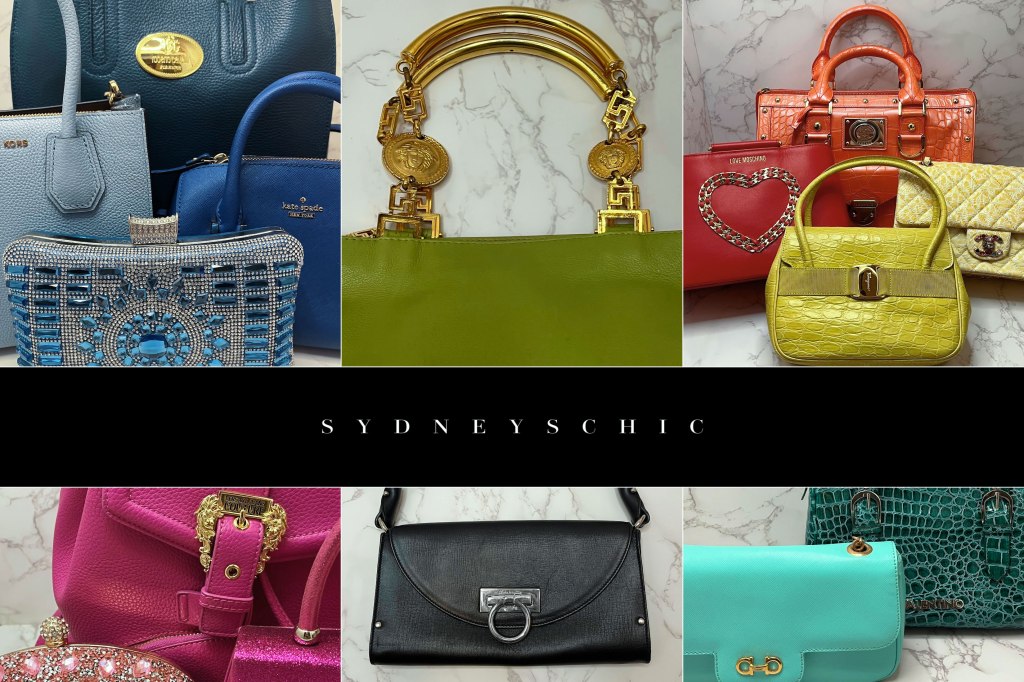

A pride and joy of mine is my ever growing and expansive handbag collection. Now, to many people it might not mean that much and to other collectors, it might seem scarce but to me, it is very important. My humble collection is also proof that anyone can start collecting at any time and when I first started, I had some fashion knowledge but not nearly as much I have now. As I always say, anyone can attain this.
So why handbags? Well, they are a favorite of collectors when it comes to fashion especially as it relates to designer labels. They also tend to hold more value over time than other items and are easier to use and still keep in good condition if you know what you’re doing. If you were to collect something like shoes, obviously you can, but think about how much more wear your shoes get. That’s an item that’s being worn on the ground and facing all kinds of foreign threats—it’s one of the reasons I typically stray away from getting expensive shoes period. It might just be me but it stresses me to think a pricy item is on the ground even if it’s meant to be there. Again, just me.
Handbags are one of the most eye catching and noticeable items you can wear. Many of them have the logo of their brand prominently displayed outward whether it be the metal buckle or perhaps the canvas monogram fabric. You can spot a Chanel handbag from across the room easier than you could spot a Chanel sweater and that’s just a fact. With so many dupes and copycat designs, designer clothing can be more difficult to actually distinguish than accessories without being able to see the label for proof. Most of the time when it comes to handbags, people take your word for it and there’s less guess work—not always but often.
In the fashion world, handbags are some of the most profitable items a second hand seller can sell so if you’re looking for a good side hustle and you know what you’re doing, there’s money to be made here. Buying handbags second hand is typically more widely accepted than buying second hand clothing and there’s always a market which makes collecting them much more important than people realize. It truly is a worth while investment just like if you were buying stocks or putting your money into a company. The mindset is still the same except that you get to wear your gold bars around and enjoy them instead of letting them gather dust in a bank. This is how I prefer to look at it, anyway—I look at jewelry this way as well.
Now that we’ve learned collecting handbags is not a waste of time and is actually quite a lucrative practice, let’s talk about what you need to know going forward. I’ll break down the formula that I use in hopes that it helps you. Everything I write is my own experience and the tips are share are ones I’ve learned myself through trial and error. Keep in mind that I do not sell or resell my handbags so I can’t offer much advice from a selling standpoint but as a collector, I will happily share my knowledge.
Identify your motivations
If I were giving advice to myself several years ago when I first started this journey collecting handbags, I would tell myself to be completely sure about what my goal was. This is because collecting can be beneficial in several ways. Are you collecting because you’re investing your money with the idea that you might one day start selling or reselling items off? Are you collecting with the idea that if you come across hard time, you can sell them off if you need too but that’s not necessarily the goal? Are you collecting because you really adore a particular brand or label? Are you collecting because you just love fashion? Are you collecting because you just like handbags? What is your true motivation?
This is very important to establish before you make a single purchase because it will affect the whole way that you approach adding to your collection. If you’re collecting to resell, you’ll be looking at things differently than if you’re just a private collector collects for fun. For example, if you are just someone whose collecting because you like handbags, and something is already in greatly used condition with some flaws, you might be more willing to overlook that because you simply like the bag and it’s only you whose going to be carrying it. You’re not intending to resell it so the condition matters a little bit less.
If, however, you are collecting to invest, you need to make sure that even if you’re buying second hand, the handbag is in the best possible condition for the price. This is because if you are planning to resell it, you want to be able to allow yourself a little bit of wear for the time you use it before you turn around and relist it. These are things that need to be considered up front because they will reflect your asking price in the future.
Choose what you’ll collect
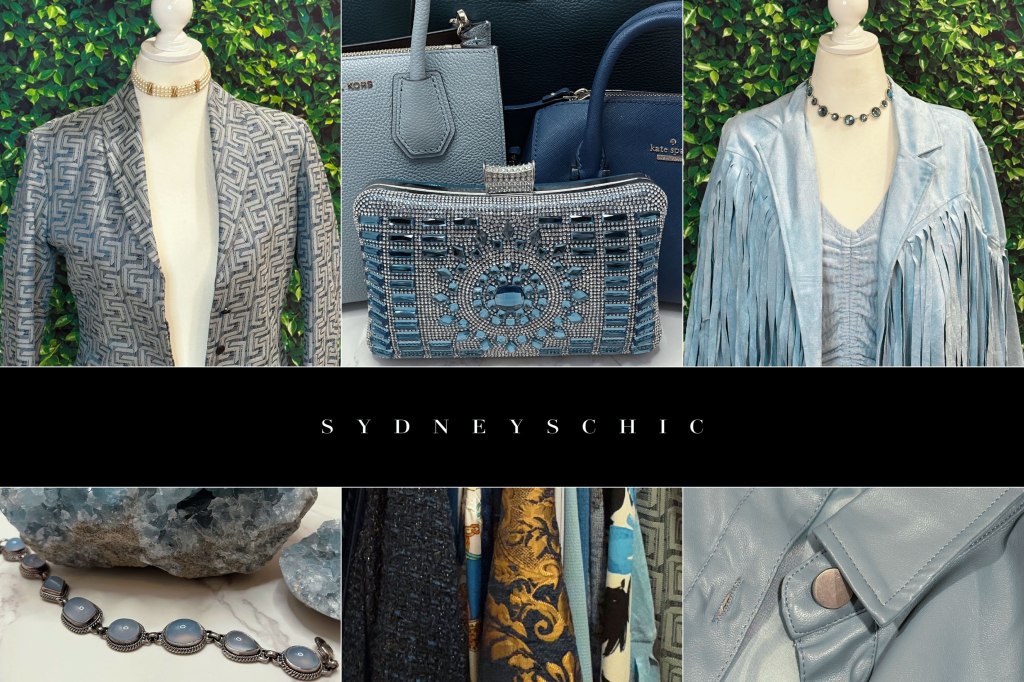
After you decide what your motivation is for collecting, you need to establish what your collection will be. What does this mean? It means narrowing down what your specific criteria will be. Are you just going to collect handbags from one brand? Are you only going to collect Ostrich handbags? Are you going to focus on a certain style like crossbody’s or color like blue? Are you going to only collect Italian designer handbags or only French?
There are a million different ways to collect something but how you do it will be unique to you and your preference. In my case, I am a collector whose only goal is to have at least one designer handbag from each major designer. That’s literally it. Sure, there are certain collections I strive to have a handbag from like Versace’s Tresor De La Mer handbag and I have a soft spot for gathering vintage Gianni Versace handbags from the 80’s and 90’s but ultimately, my goal is just to have one handbag from each major fashion house. If I achieve this, I will be happy.
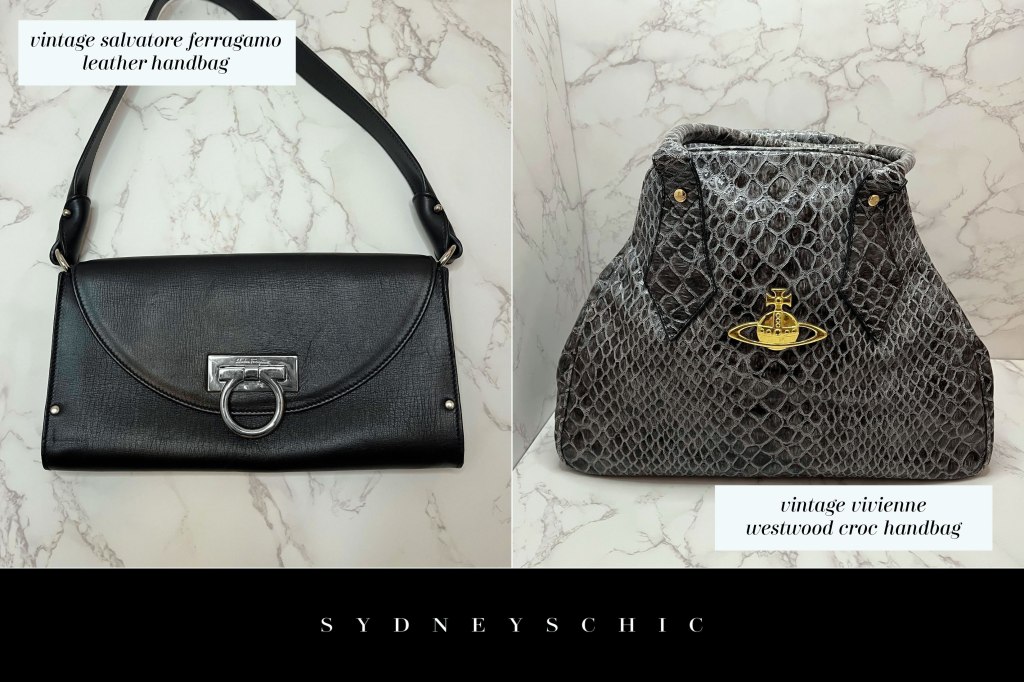
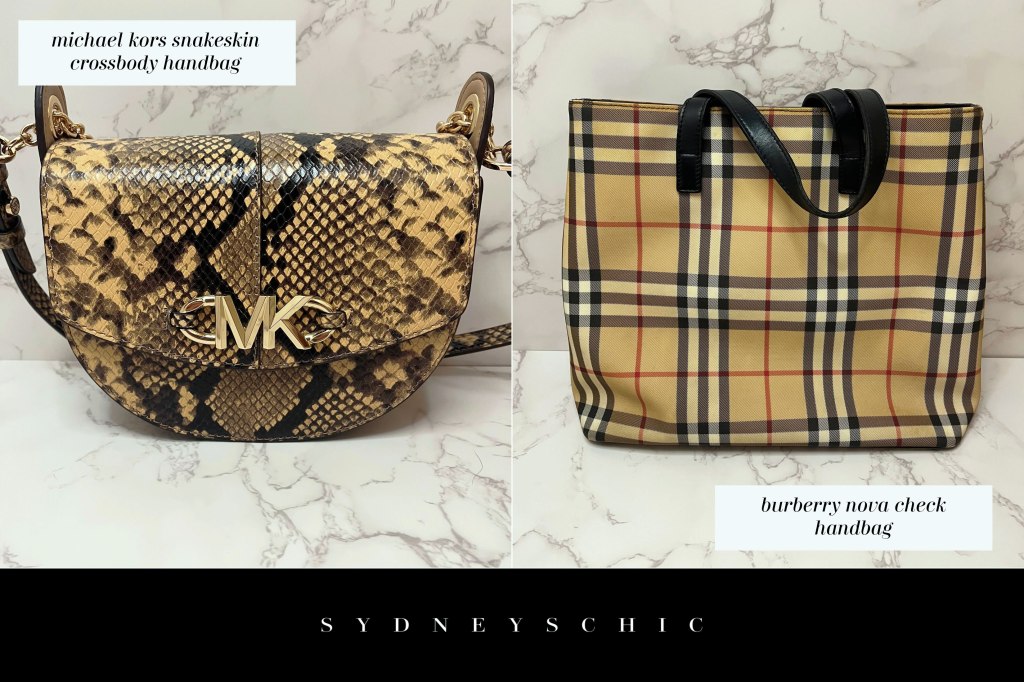
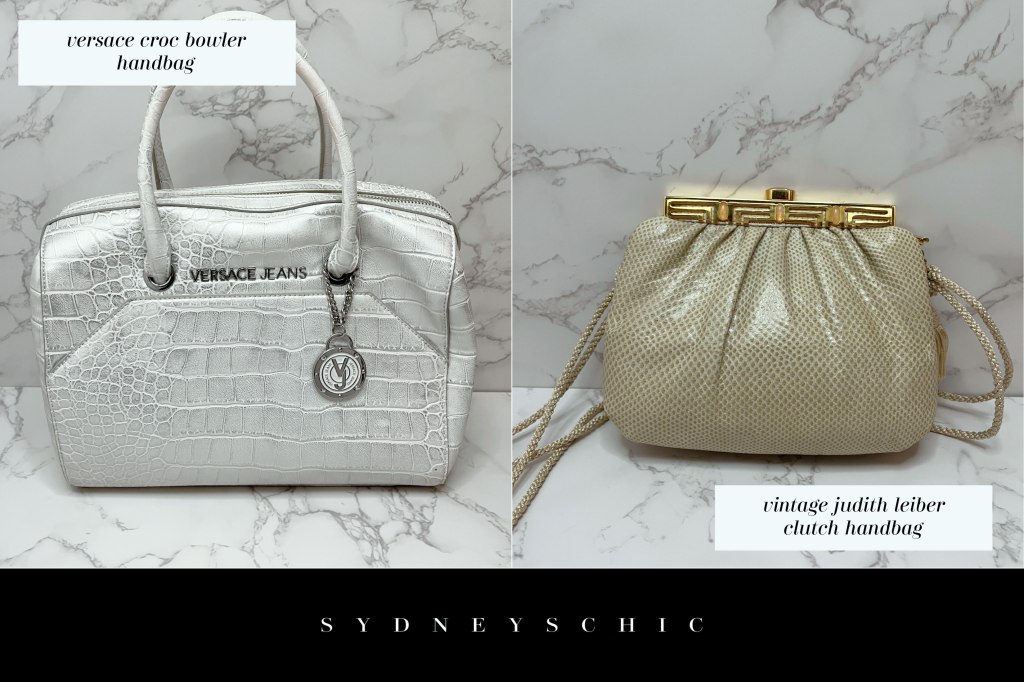
I have distinctive styles, colors, prints, and collections that I look for based on my fashion knowledge but I set a broader benchmark for myself and have actually done quite well. Currently in my possession I have handbags from; Versace, Ferragamo, Michael Kors, Kate Spade, Valentino, Chanel, Judith Lieber, Moschino, Karl Lagerfeld, Roberto Cavalli, Christian Lacroix, Christian Siriano, Burberry, Dolce & Gabana, Gucci, Blumarine, Louis Feraud, and Vienne Westwood which is not bad considering I only started collecting a few years ago! To be fair, I am biased to the Italian brands and have more of them than anything else with separate collections of Versace and Ferragamo specifically.
I could’ve maybe let a Verasce or Ferragamo handbag or two go in favor of getting a designer I haven’t gotten yet but I can’t help it. I love them! So I suppose I could be considered a secondary collector of those brands but my main priority stands. I know that there are some labels that I will only have one bag from while others I will just amass based on my style. This is why knowing your focal point is important.
As a random side note, in addition to my handbag collection, I collect clutches of no particular brand. This is mainly just based on color. In a perfect world, I’d have a clutch in every color for every occasion and this is the dream. Now, these clutches are not always designer—most of them aren’t. They’re just cute clutches I find places like Amazon or department stores and they’re very affordable! So don’t think that you only need to be focused about collecting designer items.
A handbag collection can be as simple as just wanting a handbag in every color regardless of the brand or price. I will be mainly be discussing collecting from a designer stand point simply because of the investment angle but get yourself some colored clutches, babe! They don’t have to be Prada! It’s fun, I promise! When you get all the colors, start collecting shades. Oh you already have orange? But do you have peach? You have hunter green but do you have lime? It’s an endless treasure hunt!
Realistic expectations & timing
Listen, it takes time. Unless you have an abundance in cash at your disposal, you won’t be able to have an amazing collection over night but that’s alright! And honestly, who would want to? Part of collecting is the joy of collecting. You’re not going to find everything that you need in one sitting and you shouldn’t strive for that—it would be boring! This is meant to be something fun and enjoyable that you amass over time with careful consideration. Sometimes more is not always more.
I did not get everything that I have in a year. It’s taken me several and lots of planning. I’ve been collecting over 5 years now and I’m proud of what I’ve gotten even if I’m still striving to meet my goals. Yes, I have a long way to go but I’ve also come a long way too. That’s how you need to look at it. It should be a nice hobby or exciting scavenger hunt. A true collector knows that finding pieces of value is not always easy. They also know how to wait and hold out for the right prices. These are all things that can make the process feel slower than it actually is.
Now, I’m not saying you can’t get as many pieces as you want or trying to tell you how to spend your money. All I’m saying is that this isn’t meant to be a quick task but rather premeditated and methodical. If you know anyone else who collects and they have more than you, they’ve probably been doing it longer so don’t judge your collection against theirs. Their goal might also be very different from yours. Never compare, it’s thief of joy according to Theodore Roosevelt.
Also keep in mind that the more you collect, the better you get at actually collecting. Prices make more sense and you can see the wisest investments easier than you would’ve in the beginning. Just calm down and take it one handbag at a time and you’ll be fine! The day it stops being fun, stop doing it and lay the credit card down.
Know what holds value
Traditionally, the pieces that hold the most value are ones that are either A) in new condition, B) from particularly rare collections or a rare color, or C) from a large label. An example of all these criteria would be the new handbag that I got second hand from the Versace Jungle collection. She is my most expensive handbag to date and she is the jewel in the crown of my collection. I was so lucky to get her as a Christmas present from my gracious mother and am still baffled that it’s sitting pretty in my closet. Once a year, I take her out of her dust bag and weep only to pack her back up and place her on her shelf of honor. Very few of my friends even know that I have her.
The Versace Jungle collection is rare and popular which makes things from it more expensive and hold their value. I could turn around and sell my handbag for over $1,000 if I wanted to just simply because it’s from that collection. If you don’t believe me, you can google it and look at the drastic price hike between that collection and others from the same label. The Tresor De La Mer collection is of similar status and I’ve been sharking around looking for a bag from the collection for years but have been unwilling to sell my right foot for it. Certain collections do stay pretty untouchable so if you see something from one of them at a decent price, snatch it and snatch it fast while the gettin’s good. Rare colors are also looked at the same way. The rarer a color, the bigger price. Neutral colors tend to stay less expensive because there’s more of them.
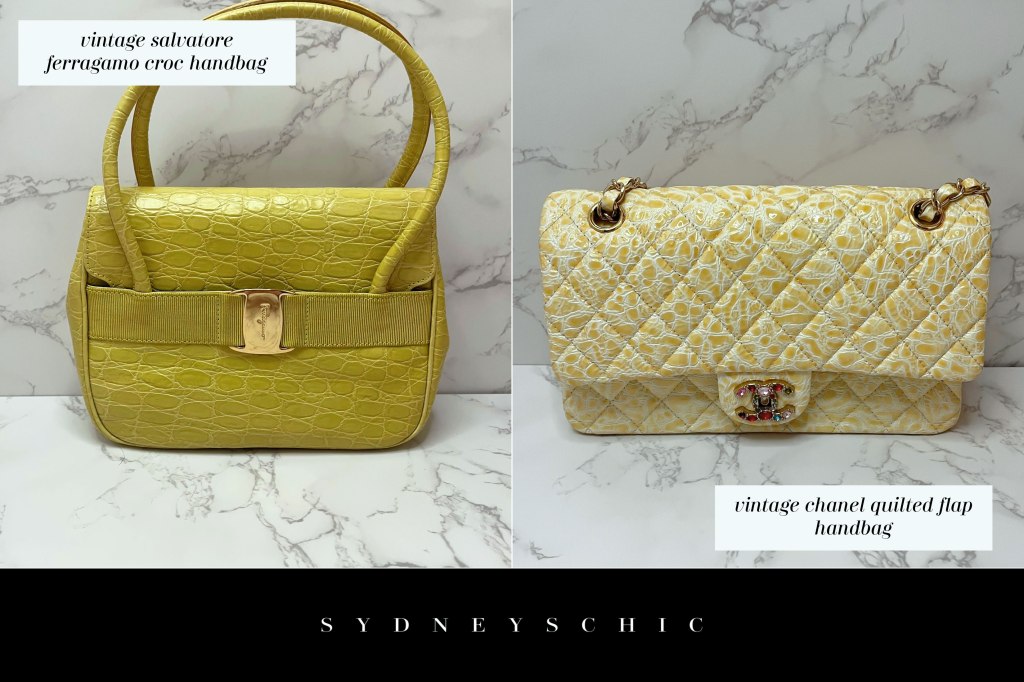
Brand staples also typically hold value and command a higher price. For example, a brand staple of Chanel are the quilted flap handbags so guess what is and will stay the most valuable? Yes, the quilted flap handbags. They’re so entangled with the brand that everyone wants one which means their prices constantly stay high. If you get one, you will be able to ask a pretty good penny for it even if it’s used so long as it’s one of the iconic staples of the label. The same is true for Versace Greca goddess handbags and Ferragamo’s Gancini handbag. They will always be more expensive but hold the most value. If you’re interested in a particular brand, you can see pretty easily what their “staple” is just by seeing what their priciest handbags are. If you are planning to collect as a monetary investment or resale, these are the things you should be paying attention to the most because they sell quickest and for the most coin.
Certain brands will always hold more value than others. This is just the order of things in the fashion world. Labels like; Gucci, Prada, Chanel, Ferragamo, Versace, Louis Vuitton, and Fendi will stay more expensive which means they will hold their value over than others like; Michael Kors, Kate Spade, Karl Lagerfeld, etc. I touched on this in my post about buying designer online here. The companies I’ve listed are a generalization but my point remains the same. If you’re looking for a big name, expect a big price but know that it goes both ways and should you decide to sell any of these brands, you can ask a big price in return so long as your condition is decent.
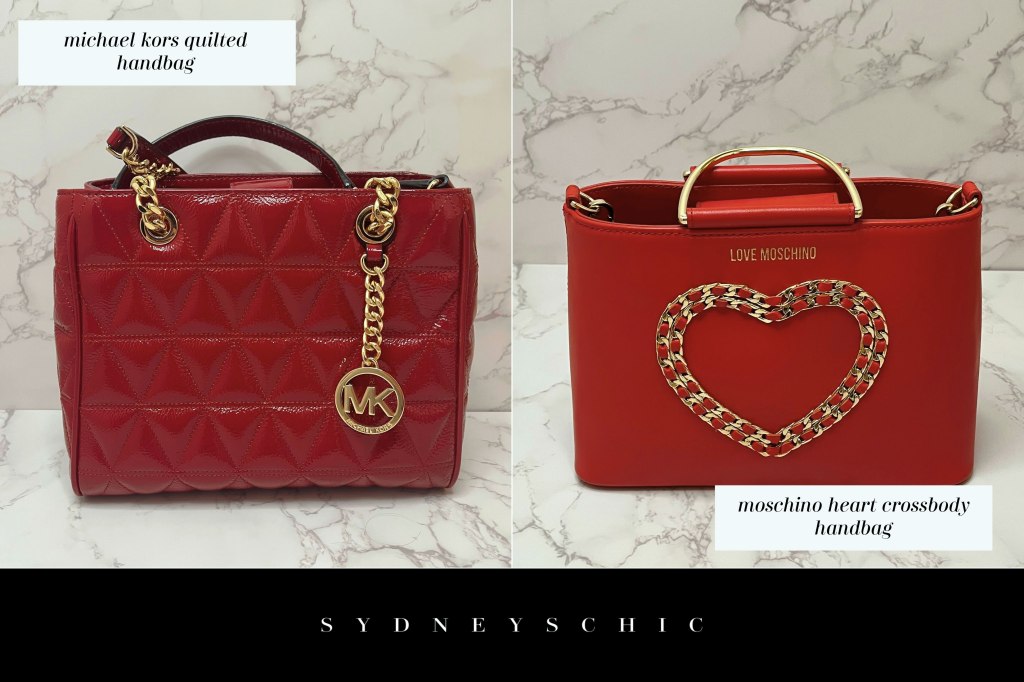
Condition is another big factor in value. If you get something second hand that is already in poor condition, it will not hold it’s value, it will only decrease with the more wear it has. This is why it’s important to focus on things that are at least in “good” or “excellent” condition. If it has scuffs, make sure they’re at the bottom of the bag and not the front where they’d be noticeable. Even something like this can impact an item’s value greatly. I’ve seen several handbags that I wanted so badly but I stopped myself from getting them because their condition was poor and I couldn’t justify the price. You don’t ever want to be in that position with an item unless you like it so much you just don’t care. Again, if your collection is merely personal, ask yourself if it matters.
I have a few handbags like this that I got knowing I would never resell. Their condition was poor but I liked them anyway and I wear them religiously. If anything, the fact that they came already worn made me more confident in making them my “everyday” handbag. I didn’t feel the need to take extra precautions with something that was already worn. Obviously, I don’t mistreat it and I love it just the same but the paranoia of taking something that you know is very expensive out of the house goes away with a certain amount of wear. It just feels like a handbag again—one that you can live with not just admire from a shelf. There is still a place for these lovely creatures and I don’t discourage their purchase, just know they won’t hold their value the same way so don’t expect them to.
Collect good condition
As I mentioned above, condition matters. The better condition, the better the price. Condition is the single most important factor when collecting anything but in particular, handbags. Just because you’re buying something used or second hand doesn’t mean it’s not still a good handbag with use left. You don’t need to settle for a bag that looks like it’s been hit by a bus just because it’s “used” however, don’t expect an item to be completely flawless or new if it isn’t labeled as such. Believe it or not, there is a happy medium.
If an item has flaws such as scratches or scuffing, make sure it’s at the bottom of the bag and not somewhere obvious that it will be noticeable. Avoid items where there is an issue with the actual textile such as peeling, bare edges, or scratches so deep that it’s clearly damaged the leather rather than just a surface level scuff. If the interior of a bag is stained, try to determine if it’s removable. Cloth linings can be easier to remove stains from then leather interiors but sometimes it’s best to let stains be one of those deal breakers. Do not get something that’s already well worn if you plan to use it as an investment. The majority of the life expectancy is already used and it will be difficult to sell to someone else.
Avoid items that can get easily messed up unless you really want it and know what you’re getting into. What am I talking about? Pony hair and faux fur handbags just to name a few! They are beautiful but they can be very difficult to maintain and wear simply because of their materials. I have a pair of Michael Kors pony hair boots and they are a nightmare to wear. The hair never quite lays right no matter how hard you try and it’s difficult to move without ruffling it all over again. They were a gift and I’m thankful so I wear them but it’s not a style I would get in abundance. Think about if a bag is maintainable to you before you purchase. Make sure it is so that it will stay in good condition once it’s home.
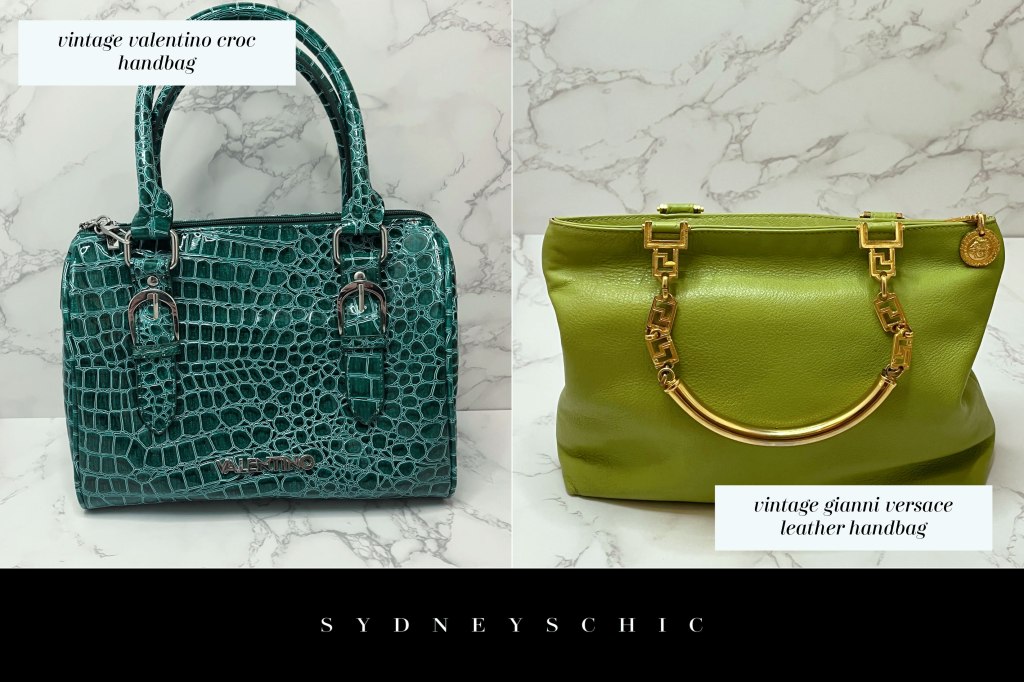
Now, there are some cases where you may just need to settle for a bag that has more wear than you’d like simply because you are a collector and you’ve been waiting for this particular bag or one like it. It’s most common when dealing with vintage handbags because they’re already older. This totally happens and it’s happened to me. I mentioned in a previous post that I have a beautiful 1990’s Gianni Versace pistachio handbag that my mother asked me not to get because she felt it was too worn but I loved it so much I got it anyway. Even in fair condition, it holds value because not only is it vintage Gianni, but it’s also from one of the collections that made Versace so popular in the 90’s. It has all the trademarks of that era including gold Greek key handles. I was only mildly surprised when I googled it and found another handbag from that same collection that was in more “unused” condition selling for around $1,500.
That means that even with mine being well worn, I could probably get at least $300 for it and I’m being kind. I could maybe even get $450. I would never sell mine but it’s proof that I did well with my purchase. Even though it wasn’t in mint condition, I knew it was a good investment. This is something that you need to keep in mind if you’re collecting certain designers or collections. I would not normally accept a Versace handbag with that many flaws but in the case of the Tresor De La Mer collection that I’ve been trying to get my hands on, I would seriously consider it.
Why? This is not only an expensive collection but a rarer one because it’s popular and everyone wants it. So I’d be willing to settle just to have it for my collection. Do you understand? Sometimes there’s give and take. This type of discernment comes much later, though! It took me awhile to get to the point where I felt comfortable taking risks like this and I only do it when I’m sure I know what I’m talking about. This is a skill that has to be built and can’t just be assumed so work at it slowly and you’ll be surprised just how much your shopping experience changes.
It goes without saying that bags that don’t have all their original pieces command less. I’m not saying don’t get them if you like them, I’m simply telling you they are worth less from a resale standpoint. The goal is to have all the original pieces intact such as straps, coin purses, etc. Whatever it comes with should be original to that handbag and made by the same brand if you want an item to keep it’s value. Even if a strap is different, it reflects in the price. If you’re getting a Frankenbag, know that she’s beautiful and would be great for your personal collection but maybe not for resale. The only difference is if a bag has been “restored” because that implies the whole bag has undergone a transformation to be a better version of it’s original self. Please don’t use the term “restored” lightly. Parfum and cosmetic bags are also not the same as regular handbags and usually go for less so don’t get taken for a ride if you see one you like but a seller is asking a lot of money for it. This is now how that works. The pricing for those is entirely different.
Dust bags, boxes, authenticity cards, and original packages are all things that make a collector’s mouth water but they are not always offered with second hand handbags so don’t be disappointed if your oldie but goodie doesn’t come with them. When I buy anything designer that comes with packaging, I keep it all. It’s kind of ridiculous but it makes my collection more valuable. If you can, keep those things and if you have to, make a note of which items came with which packaging. This is super important if you’re an investment collector or reseller. These things will allow you to ask a bit more than any other sellers who don’t have those things. The lack of a dust bag should never stop you from getting a good deal, though. When buying second hand, don’t get too hung up on shopping for handbags that only have original packaging unless that’s really what you want. You could lose out on some amazing handbags because original packaging is rare.
Protecting your investment
Now that you’ve started collecting, whether you plan to resell or keep them for yourself, you’ve made an investment in your handbags. Not just your time but also your coin. So, how can you protect that investment like you would if you was dealing with any other type of financial asset? Simply maintain your handbag as best you can and keep them as close to their original condition as possible—it’s that simple!
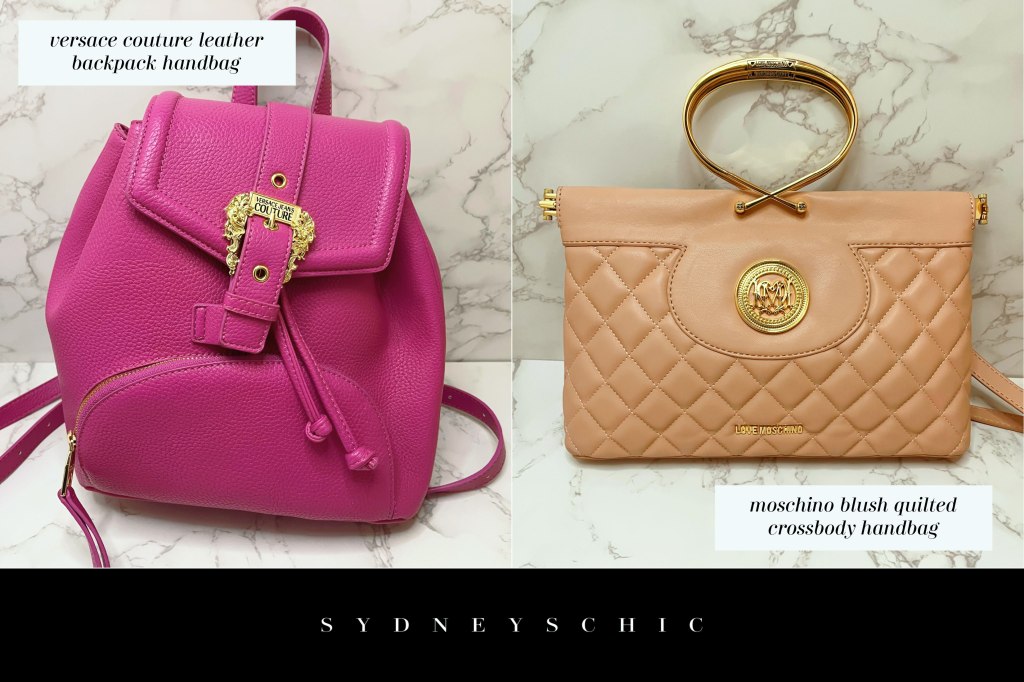
This means wearing them but not using them for everyday wear. Make them special occasion bags and when you do take them out, make sure they don’t get damaged. You can use them but do so carefully and tenderly. I will openly admit that there are some handbags in my collection that I don’t even take out of the box because they’re so valuable to me. To take them out of my closet would cause me such anxiety, it’s better for them to stay home but that’s just me. I have some I use and some I just keep pristine. The rarer a bag is, the less likely it is to make a regular appearance. I have handbags that I’ve preapproved for everyday use from less expensive brands just as I have handbags only approved for occasional use. This is my prerogative but doesn’t have to be yours! If you have a beautiful handbag, use it! It shouldn’t just sit around gathering dust! Just be mindful of not overusing and avoiding any damage.
Make sure you have a place for your collection. I wish I had done this before I started collecting but I kind of just fell into it only to outgrow my space almost immediately. Having a nice place to store your collection goes a long way in maintaining it and ensuring it stays nice. You should store them someplace out of the way where they won’t be bothered. If you have dust bags, boxing, etc, store it with those things. I don’t always do this because not all my handbags come with packaging and I also have my closet sorted by color—which includes my handbags. Seeing them is a big part of my organizing so they’re neatly arranged on shelves. It doesn’t matter how you store them so long as it’s safe. The rest is at your own discretion. Don’t store them anywhere wet or damp like basements or attics. Keep them away from smoke or pets. Try to keep your collection close to your everyday clothes so that caring for them just becomes apart of your normal routine. You don’t want to hurt any feelings and make anyone feel left out, right?
If your item gets damaged and needs repairing, get it done as quickly as possible. This will not only keep the problem from getting worse but will help keep the integrity of the handbag. I shouldn’t admit to this but I repaired my Chanel handbag myself when my kitten, Lillian, carelessly pulled a thread with her little claw. It was brand new to my collection and she couldn’t just not, you know? I already got the bag used and missing a stone so I decided to fix it on my own with hot glue before the thread could come undone anymore. God was good and I managed to fix it! Had I waited, the entire outer threading of the flap was at risk for coming undone and suddenly my first Chanel handbag would’ve been ruined. Don’t wait to fix things and don’t fix things on your own if you can have a professional do it. If you have to do it yourself, be very careful to only tamper with the thing that needs fixing and nothing else.
Starting small
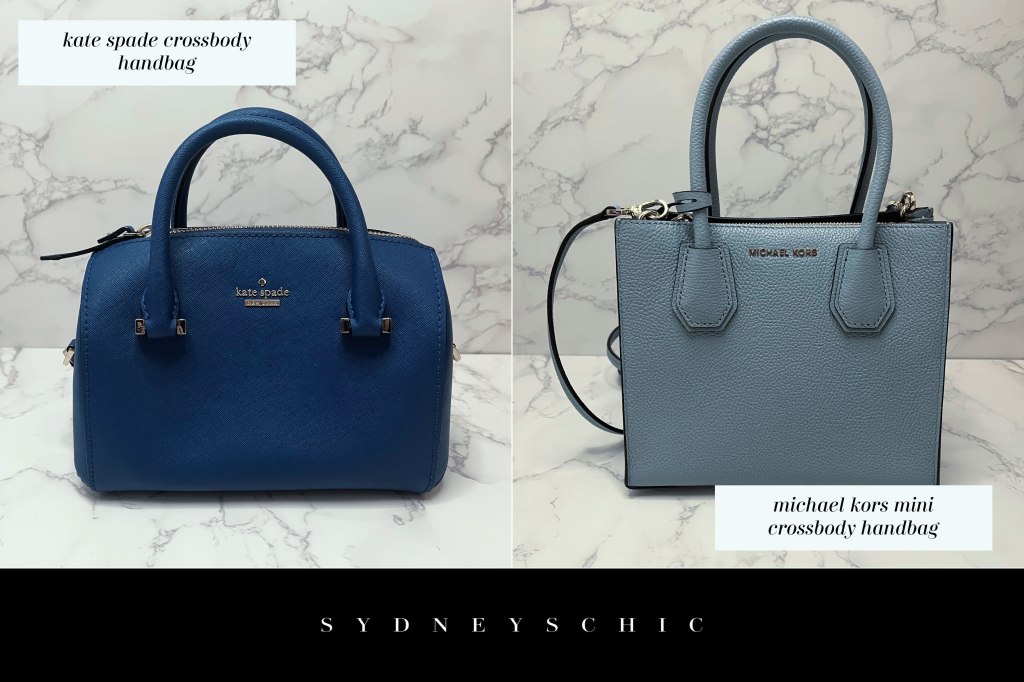
Like all my advice, this recommendation is optional and mainly aimed at true beginners. I recommend starting small. That’s what I did! The first handbags I started collecting were Michael Kors because of the price and the abundance. It’s the best way to begin because as I said earlier, building your collector’s skills takes time. If you start buying more expensive handbags right away, you run the risk of making a poor investment and overspending right at the gate and you don’t want that. This is fun, remember?
Collecting from more affordable brands like Michael Kors, Kate Spade, Vince Camuto, and Karl Lagerfeld are a fantastic way to get your feet wet without feeling like you’re bleeding your money away on a handbag collection especially if you’re still learning. They are reasonably priced, found at many different stores, and they are still designers that hold value regardless of being marketed towards the middle class. This is why they’re the best place to start in your quest for an enviable handbag collection.
It’s also worth noting that Kate Spade is so widely known for handbags that this brand has countless different styles to choose from. You’d never be bored! You could be a Kate Space collector and still find something new each time you went shopping just because of the variations, sizes, and textures. Their inventory of handbags is vast and worth while to invest in. Kate Spade is a good start for a novice collector to learn about types of handbags; quilted, canvas, leather, pebbled, ostrich, etc. This knowledge is important going forward because it applies to other brands as well.
If you are already coming in with a certain amount of fashion or handbag knowledge, feel free to start anywhere! If you want your first handbag to be Valentino, so be it! Which reminds me—keep in mind that there are other handbag companies that share the name of bigger brands but are not partners so don’t get them confused! Versace 1969 is not the same as the Versace we already know and they aren’t affiliated at all. There’s also two Valentinos; Mario Valentino and Valentino Garavani. I know, it’s confusing. Double check to make sure you’re buying the right brand that you intend to and not one that just shares a similar name. It can be an easy mistake to make but a disappointing one. As a beginner with less experience, know that you need to work even harder to ensure you’re getting the right thing.
Collecting as a mindset
Well, now you have a good foundation for collecting handbags whether they be designer or just ones that you see in the window of a local store. It doesn’t matter if you plan to resell any of these items or if you’re a serious collector, the truth is, we should treat every item in our closet with the same respect. Afterall, isn’t our closet an entire collection of us—our likes, our interests, our favorite colors?
I treat everything that I purchase as if I’m collecting it because I want to keep a mindset of care for anything that I buy. If I buy it, I need to take care of it and collecting is just that idea taken to the next level. If you remember this approach not just with collecting but with all of your shopping, it will really help you value what you have, purchase well, and keep every investment in careful condition. It truly is a mentality that can be applied more broadly than just handbags and I feel that it’s worth noting as an overall closet philosophy.
Happy collecting and I hope you found this guide helpful! If it was, let me know! If you’re a collector, tell me what you collect! I’d love to hear about it!

make sure you subscribe & follow to be notified of new content
©sydneyschic ┊image credit: sydneyschic ┊unsponsored post





 Sydney's Chic.
Tell me what you think!