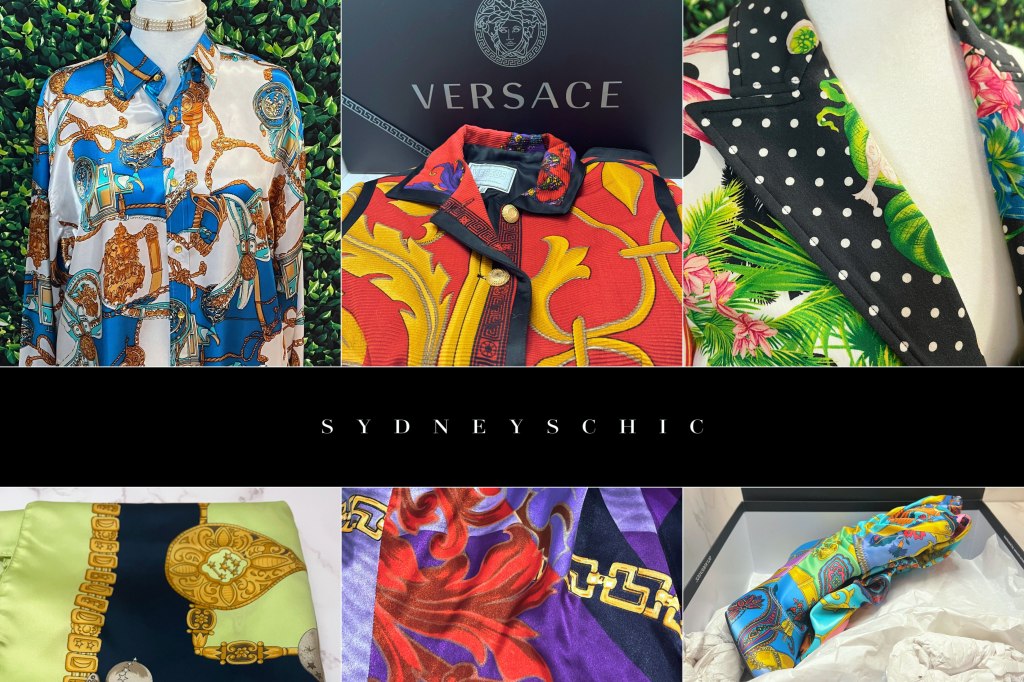

Baroque fashion has captured our imagination for over 300 years with a runway revival in the 1980’s and even today, it’s still very relevant to modern style. Anyone can wear Baroque and it’s one of the few styles that includes everyone as it’s been featured in menswear, womenswear, and beyond. You may not have heard of it but I guarantee you’ve seen it at least somewhere—it’s hard to miss!
I think the argument can be made that Baroque fashion may have been one of the first historical attempts at what we currently refer to as “dopamine dressing”. The foundation of Baroque is luxurious aesthetics and feeling regal. It’s a style all about intricacy, art, and attention to detail from the buttons to the textile.
Whether you buy it new or vintage, Baroque fabric is always on trend and even if it’s not currently on the runway, it was once which means it will be again—I call this phenomenon a runway reversal. It is my favorite aesthetic and the one that I wear the most but not many people know what it is. Baroque is also apart of Italy’s cultural identity and since we are now into October, which is Italian-American heritage month, I thought that this post would be the perfect excuse for me to explain so let’s get started, shall we?
History of Baroque
Though it has many meanings, Baroque refers to the art period that came after the Renaissance. It originated in Italy and has become apart of its cultural identity in the centuries since. Please don’t confuse this art style or period with the French answer to Baroque, Rococo. They are different. Similar, yet different.
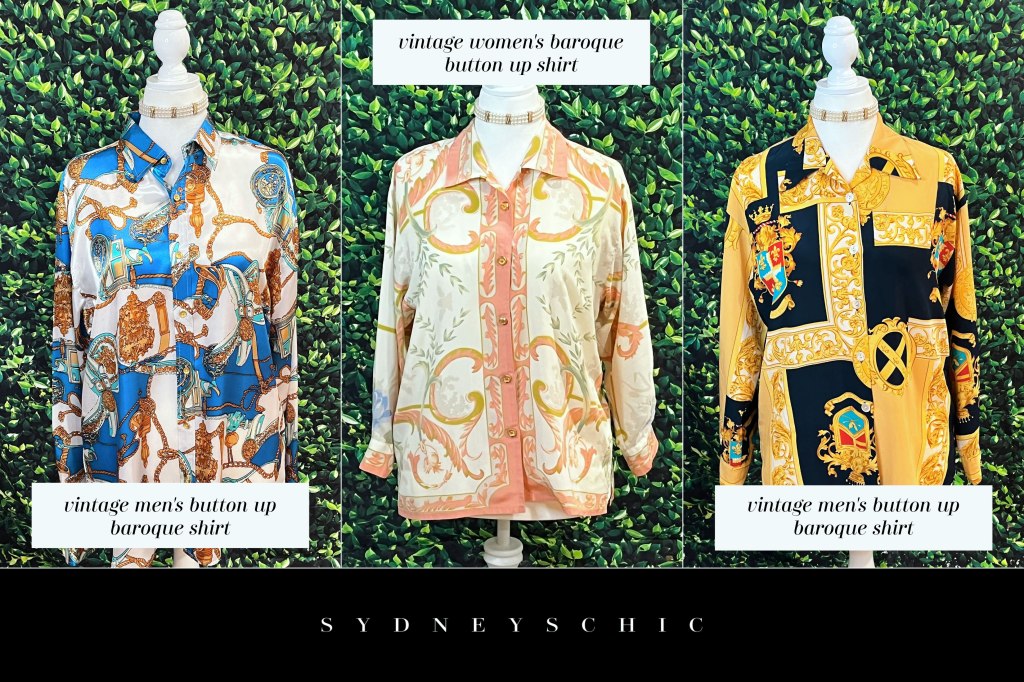
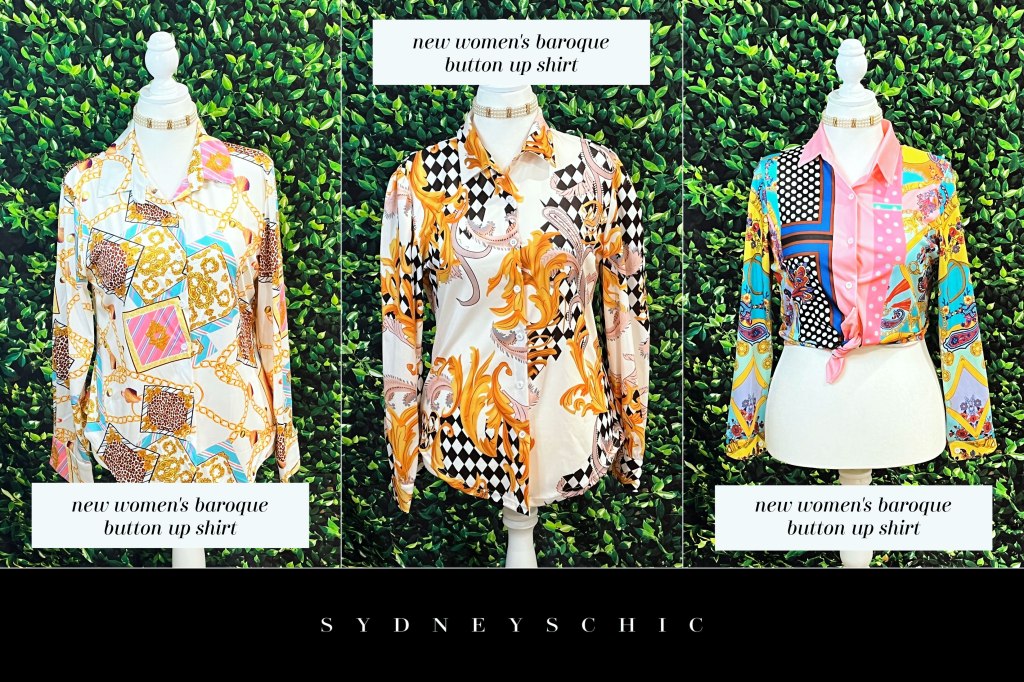
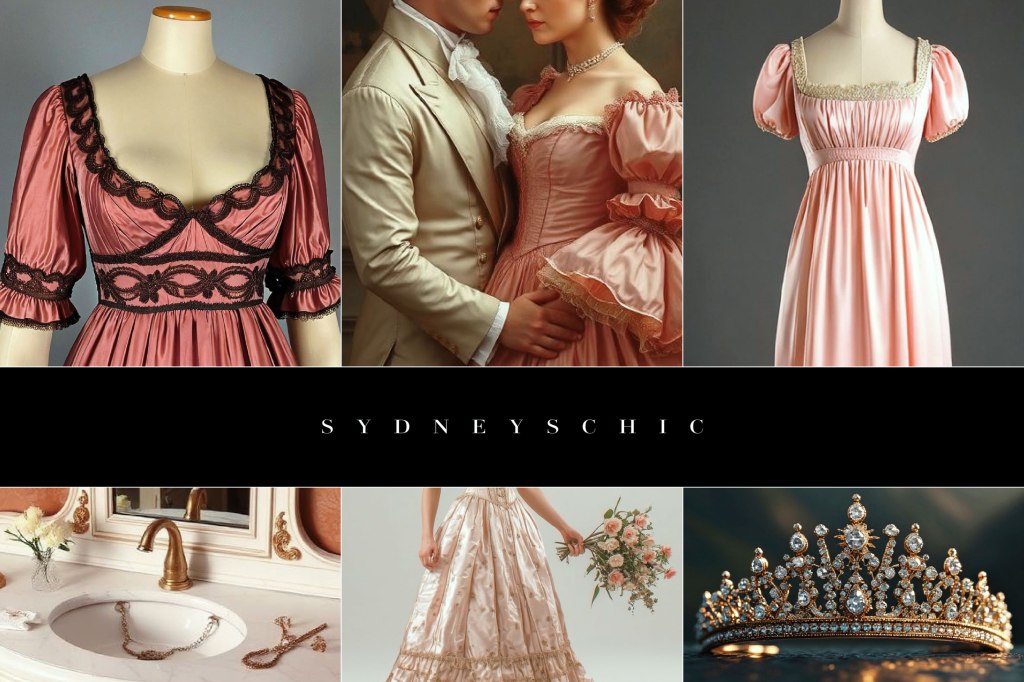
Baroque was the inspiration for Rococo. They can be told apart because Baroque typically uses the darker, rich colors of Italy while Rococo is known for the pastel colors often associated with the French countryside. I know, it’s alot. To make it easier on yourself think of Baroque as big sister and Rococo as little sister. In modern fashion, even if an item uses pastels traditionally belonging to Rococo, it generally still falls under the Baroque umbrella. The image above is an example of this. The shirt in the middle could be considered Rococo outside of fashion because it’s colors are peaches and creams rather than oranges and golds but in fashion terms, it’s still Baroque.
Though it started off in the art world, Baroque stopped referring to any one thing in particular and simply became a way of life across Europe in the 1600’s. It would last until 1750. Famous classical composers from the Baroque era such as; Bach, Handel, and my personal favorite, Antonio Vivaldi—his Four Seasons are a bop—are widely regarded and their compositions still used. You’ve probably heard their music playing in the background of fancy car commercials and didn’t even realize!
Artwork from the Baroque period is some of the most appreciated in art circles. It remains popularly replicated by department stores and craved by collectors. You may have heard already heard of Baroque’s top artists; Peter Paul Rubens, Caravaggio, Diego Velázquez, Rembrandt van Rijn, and Nicolas Poussi. If not, that’s alright—I forgive you.
Baroque architecture still marvels tourists visiting Europe with its grandiosity. When you think Baroque, think of the gilded jewel that is the Palace of Versailles designed entirely in French Baroque. The interior was done in the very artistry that we’re talking about here. It’s known for being ornate and utilizes metallics, rich colors, gold leaf, and fine detailing. Everything was gilded. Everything was extra. Everything was opulent. It was Baroque!
The vision of Versace
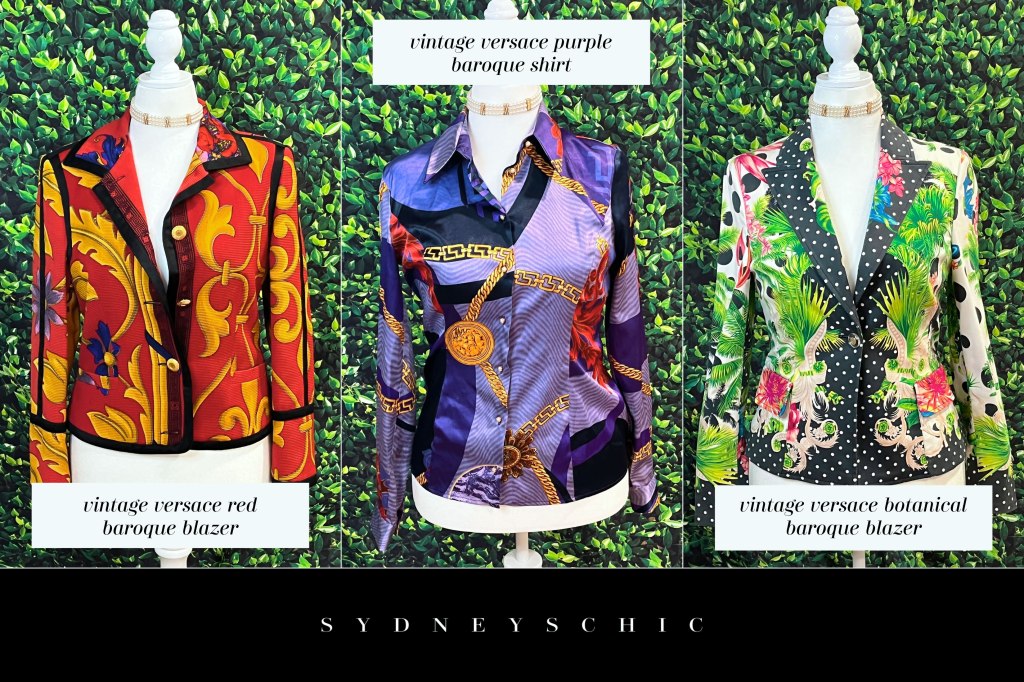
Baroque had its biggest revival in the 1980’s thanks to an up and coming new fashion designer from Milan, Gianni Versace. He took bright, colorful, Baroque style prints and gave them a more modern pop art twist that baffled the fashion world. The gold scrollwork of bygone centuries against the kaleidoscopic neons and satin jewel tones of the 80’s was revolutionary.
The most famous Baroque designs that Gianni made were button up shirts that could be worn by both men and women. The idea that a trend could be unisex was also something quite new to fashion that had primarily been for one gender or the other—rarely both. This played into the same shoulder padded, pant suited ideas of the 80’s where women didn’t need to stay at home anymore but could make it in the world themselves if they wanted. Versace said let them all wear button ups!
Versace’s creations took the runway by storm and almost as quickly as it’d vanished after its 150 year run, Baroque was back, baby! But like . . . couture now and believe it or not, more casual than it’d been in the elaborate court of the Sun King, Louis XIV, Versailles’ founder. This was a purposeful move by Gianni who loved the idea of everyday luxury and believed you should dress like royalty even if you were not. Obviously, I agree and support this notion.
Gianni incorporated Baroque fashion into his new label, often combining the fancy prints with something casual like denim or leather and it became an essential part of Versace’s visual as a brand. Another stroke of genius that he had was to blend the European Baroque aesthetic with the cowboy boots and fringe accessories of the American west. Marrying the two may not seem like it would work but it does! It didn’t take long before other major designers and labels were launching their own Baroque trends but it was too late. It was already synonymous with Versace.
It’s worth noting that Dolce & Gabbana are one of the other biggest labels to have put their own spin on Baroque fashion and it greatly differs from Versace’s. Dolce & Gabbana have expanded Baroque on the runway to include more jewelry, adornments, and accessories. Rather than the neon, pop art colors of Versace, Dolce & Gabbana use a more traditionally Italian color scheme for their creations—the type of colors you find in majolica art or Catholic cathedrals.
In my opinion, Dolce & Gabbana is more historically accurate to Baroque as an art movement whereas Versace made it casual, modern, and timeless. Both brands have created extraordinary collections with the same inspiration while remaining true to themselves and original. These are just two of the most popular Baroque themed brands for example.
Fit for royalty
What are things to look for if you’re on the hunt for this trend? There are several key features of Baroque fashion as it relates to fabric, pattern, and theme that set it apart and make it pretty easy to spot on the rack when you know what you’re searching for. I’ll mention them below.
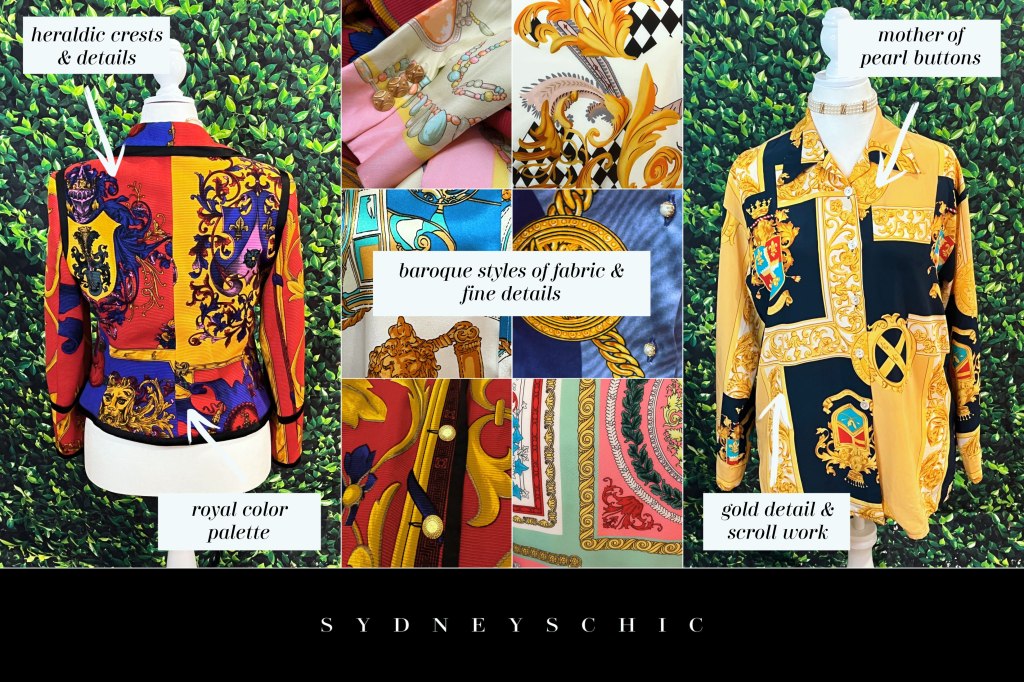
Remember that Baroque fashion is all about royalty and luxury so one of the major themes of this trend is heraldry. Think coats of arms and royal crests found throughout Europe since the mid 12th century. This is what heraldry refers to in fashion. It can quite literally be a fabric with a crest on it that’s been made into a shirt, jacket, etc. It’s not uncommon for designers to make their own crests as apart of their branding and there are plenty of satin bomber jackets throughout 80’s and 90’s fashion featuring heraldic fabrics.
Though there are some Baroque fabrics and prints that contain silver, gold is the more common accent color. Gold is usually woven through other vibrant jewel tone colors as apart of the overall design. The gold is meant to pull on that regal inspiration and is used to tie in a fabric design that might seem too busy or unrelated without some underlying consistency. Gold scrolls, filigree, and swirls are another easy way to tell if you’re looking at something Baroque. These patterns can be small or large; they can be the whole design or just in a small corner. It doesn’t matter how big or how small, it only matters how ornate the design is. The more elaborate, the better. More is definitely more.
There is no set color scheme for Baroque because there’s so many different takes on this trend however the primary colors used in Baroque fashion are rich in nature. There certainly is Baroque clothing that is pastel but it’s rarer and not the norm. When you do find pastel Baroque clothing, it’s often from a French brand. Royal colors like blue, red, purple, green, and black are the ones I’ve seen the most. The majority of Baroque fashion incorporates black somehow either as an accent or background to make the colors pop more. Again, there’s no set color palette, so have fun with it!
Ornate buttons are a pretty big give away that you’re handling a Baroque piece. It doesn’t matter whether they’re silver or gold—typically gold—but a lot of Baroque clothing has some sort of metal button with detailing. I have some Baroque blazers that have small royal crests emblazoned in the center of each button. Details matter when it comes to this trend and even something like a button that might not seem like a big deal is a way to add a little extra shine.
When it comes to fit and tailoring in Baroque fashion, it is extreme and there is very little middle ground. This means that something is either very tailored, like a blazer, or loose and blousy like a button up shirt. It’s meant to be this way. If you’re wearing a blousy shirt, it should be tucked in or tied to create a dramatic silhouette. These shirts are meant to be worn this way—especially if you’re a woman. It’s supposed to look oversized and flouncy. If you are wearing a dress, blazer, or vest, it will likely be tailored. Of course this varies but I’m writing this based on my own experience and shopping.
Baroque for beginners
Now that we’ve discussed Baroque’s origins, roots in current fashion brands, and how you can identify it, let’s talk about how you can incorporate it into your own style because who doesn’t want to look like royalty every once in awhile, am I right? Keep in mind that any article of clothing can be considered Baroque because this trend is most focused on the fabric rather than the actual style or type of garment. There’s Baroque items like; shoes, jewelry, handbags, scarves, sunglasses, belts, shirts, pants, skirts, dresses, etc. You get the point.
The easiest way to add Baroque to your closet is by snatching the button up shirts that I mentioned in the paragraph above. This is because there are so many button up shirts in this style with endless colors and fabrics to choose from. The biggest variety of Baroque fashion comes from button up shirts. They are made for both men and women. You can shop them new or vintage whether it’s online at stores like Ebay or Amazon or local like a thrift store or clothing chain. I get most of my new Baroque shirts from Amazon and my vintage ones from Etsy.
I will often buy men’s Baroque button up’s because they are usually cheaper than the same shirt if it was made for a woman. I know, tragic. Also, I enjoy the loose, blousy fit of men’s Baroque shirts because when I tuck them into my jeans and cinch them with a belt, it dramatizes my hourglass silhouette and really adds that theatrical flair I’m known for creating with my looks. This is a staple of Baroque.
I’ve also seen Baroque skirts of all kinds whether they be mini, midi, or full length. It’s not uncommon to find a two piece set consisting of a shirt and skirt and while you should definitely consider getting it, keep in mind that because Baroque fabric can be busy, you might want to switch it up and pair it with a solid instead rather than wearing them both together. For example, if you’re wearing a Baroque skirt, pair it with a solid blouse and if you’re wearing a Baroque blouse, pair it with a solid pant. This will keep you from looking too busy and also keep the attention drawn specifically to your Baroque statement piece. If you wear two Baroque pieces together, do something interesting with your waist like adding a belt or tying your shirt to break up the pattern naturally.
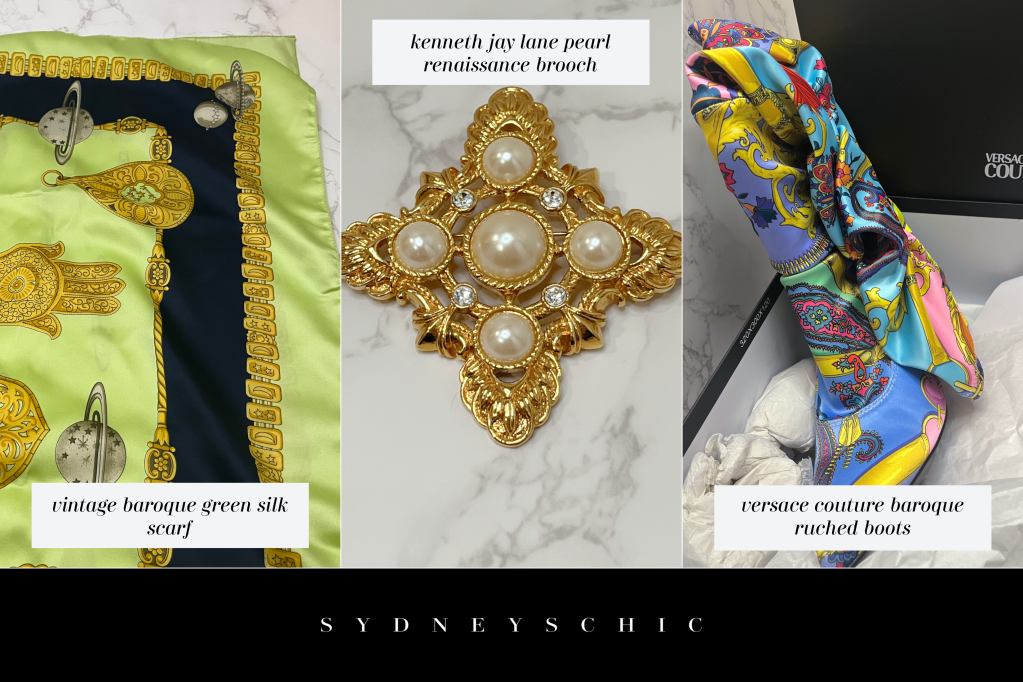
There’s also Baroque handbags, sunglasses, and shoes! The second most abundant Baroque staple behind button up shirts are silk scarves that are shoppable on any budget. There are so many Baroque silk scarves! They work well if you’re wearing a solid outfit and are looking for a pop of something extra. You could wear a white blouse and black pants which might seem rather boring but with the right scarf, you can transform the whole outfit! Tying your Baroque scarf around the handle of your handbag for a burst of color is also an option!
How to style
Styling Baroque is almost as boundless as the trend itself. There’s no clear right way to “style” anything because it depends on the individual, however, I will be giving some helpful ideas, inspiration, and context below.
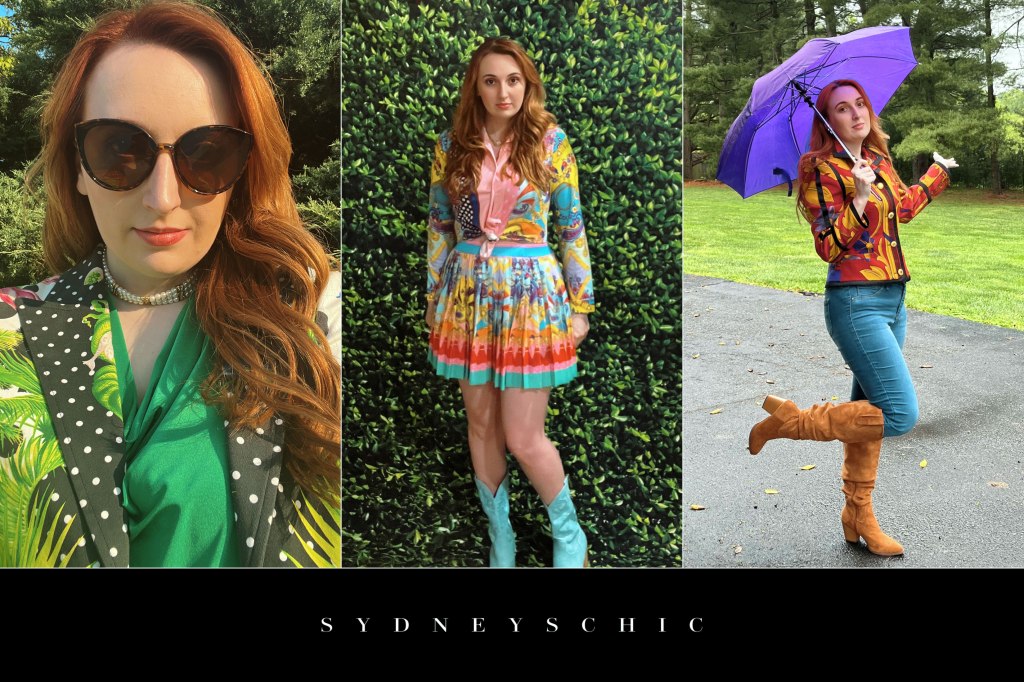
Baroque fabric is loud and it can be too loud if you wear it wrong. What does this mean? It means that like I mentioned above, try to pair it with a solid, a denim, or a leather like I did in the third picture of me wearing my Baroque blazer with jeans. If you’re wearing a Baroque printed dress or set together, break it up with a belt or some kind of waist detail even if you just tie your shirt like I did in the second picture where I’m wearing a Baroque set from Amazon. Always try to match your solid to one of the colors in your Baroque fabric if you can. In the third picture, I matched my brown boots to the brown-gold color in my blazer because I felt black would’ve been too harsh of a contrast for the season.
Belts are needed especially if you’re wearing a button up shirt that needs to be tucked in. Your belt matters. It needs to be eye catching. If you’re a man, consider wearing a western belt or something that’s plain leather but thick. Please don’t wear anything woven or utilitarian—this it not the place for that. Women, grab yourself a pearl belt! You can never go wrong with a nice pearl belt! If you don’t like that, consider gold chain belts, bejeweled belts, greek key belts, or concho belts for that Euro-western vibe. Either way, you need a belt.
Pearls are a fantastic choice to accompany Baroque fashion and not just because they share a name. Pearl chokers, chunky pearl necklaces, pearl strands, bracelets, rings, anything pearl is a safe bet. Remember to try and match your jewelry to the buttons or detailing of your fabric. If your fabric has gold detailing, wear gold jewelry. If your fabric has silver details, wear silver. Things like this matter greatly. Coin jewelry and Renaissance inspired pieces like Maltese crosses are also creative choices. Baroque jewelry is it’s own separate topic for a later date but it does exist and can be found across the internet for those who really want to commit. I will warn you in advance that Baroque jewelry is gaudy but it’s what we want.
For accessories and handbags, match to the colors in your fabric. This is so important to pull your look together and keep it looking polished in a wonderland of crazy prints and hues. If you don’t have a handbag that perfectly matches a color in your Baroque fabric, pick one closest to the smallest color in your textile. It will be harder to tell if it’s an exact match and will still look like you’re in the right hue range. Try to pick a color that’s not the main color of your Baroque fabric because it can actually look better if you pick a detail color for contrast.
Boots are a must. Tall boots that come to at least your knee are not only cute and comfortable but historically accurate. Riding boots, leather boots, and of course western boots are all acceptable. Don’t be afraid to get a pair of boots in a wild color! In the second picture, I am wearing baby blue cowboy boots with my Baroque shirt and skirt set. This is a direct reference to Versace’s blend of American western fashion with European Baroque. I would wear a fringe jacket with this set as well. Form fitted pants that can be tucked into the boots are part of how you create that Baroque silhouette. For men, I suggest leaning into the western idea with leather accents. If you’re looking for male outfit inspiration specifically, I suggest googling “Gianni Versace Baroque fashion” because he wore it himself and there’s no better style icon for men, in my opinion.
A gilded age
We have come to the end of our very long lesson in Baroque fashion. There’s more that could be said but the intention of this post was to act as an introductory guide to all things relating to Baroque trends. More than just art hanging on a wall, Baroque is art hanging on us and I think it’s fantastic that we’re still wearing trends from over a hundred years ago in our everyday lives.
Whether you buy it new, vintage, or just second hand, it is definitely one of the most enjoyable and fun fashion styles to collect. There’s a fabric for everyone! I’ll never stop being drawn to the rainbow of colors and endless patterns like a moth to a flame. I hope that this post leaves you with a broader understanding of history as well and serves as a reminder of how intertwined our past is with our present.
Happy baroque-ing and happy Italian-American heritage month!

make sure you subscribe & follow to be notified of new content
©sydneyschic ┊image credit: sydneyschic ┊unsponsored post






 Sydney's Chic.
Leave a reply to magnificentcupcakef9379f0674 Cancel reply