
This week we’re diving into the fascinating world of color analysis as a part of our new year’s glow up series! This isn’t just about picking your favorite color; it’s about understanding the intricate relationship between your natural features and the colors that truly make you shine. Figuring out your color season—whether you’re a Spring, Summer, Autumn, or Winter—can be a game changer for your wardrobe, makeup choices, and even your hair color decisions. It can unlock a whole new level of confidence and style that you didn’t even know you were missing!
It’s all about understanding which hues, within the vast spectrum of color, harmonize best with your unique natural coloring—your skin tone, eye color, and hair color. So, how do you tell which color season you are? It might seem daunting at first, but it’s a journey of observation and understanding. Let’s break it down, exploring the key characteristics of each season and providing you with the tools to identify your own—or you know, you could just search color quizzes on the google but where’s the fun in that?
We’ll delve into the qualities of warm and cool undertones, discuss how different levels of contrast impact your best colors, and ultimately help you unlock your personal color palette. Get ready to discover a world of color that celebrates you!
History of color analysis
The history of color analysis in fashion—a system aimed at identifying the most flattering colors for an individual based on their natural coloring—is a fascinating journey that intertwines art, science, and societal trends. Neat, right? While the concept of blending attire with personal coloring likely existed instinctively for centuries, the formalization of color analysis as we know it began in the early 20th century.
Johannes Itten, a Swiss expressionist painter and teacher at the Bauhaus school, is often credited as a pioneer of this practice. He observed the connection between an individual’s skin tone, hair color, and eye color and how they interacted with different hues, laying the groundwork for a systematic approach to color selection. His theories, though primarily used in art, sparked the idea that color could be used to enhance, or detract from, an individual’s appearance. Color is also been studied for it’s affect on mood which is something we’ll talk about another time!
This initial exploration gained further traction in the mid-20th century, fueled by the popularity of color photography and the increasing accessibility of color in fashion and cosmetics. Suzanne Caygill, a color theorist and author, significantly contributed to the formalization of color analysis in the 1950s and 60s. She developed a more structured system, categorizing individuals into four distinct “seasons”; Spring, Summer, Autumn, and Winter—each with a corresponding palette of flattering colors.
This seasonal approach, which remains the most widely recognized system today, was further popularized by Carole Jackson’s bestselling book, “Color Me Beautiful,” in 1980. This book made color analysis accessible to a mass audience, propelling it into mainstream consciousness and significantly impacting how people approached personal style. The popularity of color analysis surged throughout the 80s, becoming a must-have tool for fashion-conscious individuals seeking to maximize their appearance. Fashion magazines and consultants promoted the benefits of identifying one’s “season,” advising readers on everything from clothing and accessories to makeup choices.
While the seasonal system remains popular, contemporary approaches to color analysis have become more nuanced, acknowledging the complexities of individual coloring and often branching into more refined categories beyond the four seasons by further dividing them into sections like “cool spring” and “warm autumn”. Today, advancements in technology, such as virtual consultations and color analysis apps, provide easier access to these services. Despite these evolutions, the core principle of color analysis—understanding how color interacts with individual coloring to create a balanced and flattering look—remains at the heart of the practice, continuing to influence how people refine their personal style and engage with the world of fashion.
Meeting the seasons
The concept of color seasons is based on the idea that our individual coloring (skin tone, hair color, lip color, eye color, etc) falls into one of four categories: Spring, Summer, Autumn, and Winter. Each season has its own unique characteristics and a corresponding palette of colors that will make you look and feel your absolute best—or at least it’s worth giving a try!
Note that winter and summer are the cooler seasons and are opposite on the color wheel. The same goes for autumn and spring which are the warmer seasons opposite each other. This is important for cross referencing and the acknowledgement of any occasional overlap. No warm seasons are next to each other and no cool seasons are either, they alternate neatly between both temperatures. The main basis of color analysis is breaking shades down into cool and warm so as long as you can do that, you’re good!
Before we jump in any deeper, it’s important to know that this is not an exact science, and some people fall on the cusp between seasons as I mentioned above about how seasons have been further divided in more recent years. I’m not going to lie, the more sections they’ve added, the more complicated it’s become so just focus on the main four, yes? It’s about finding the colors that make you glow, rather than adhering rigidly to theoretical rules. Now that’s out of the way, let’s talk about the seasons!
Spring
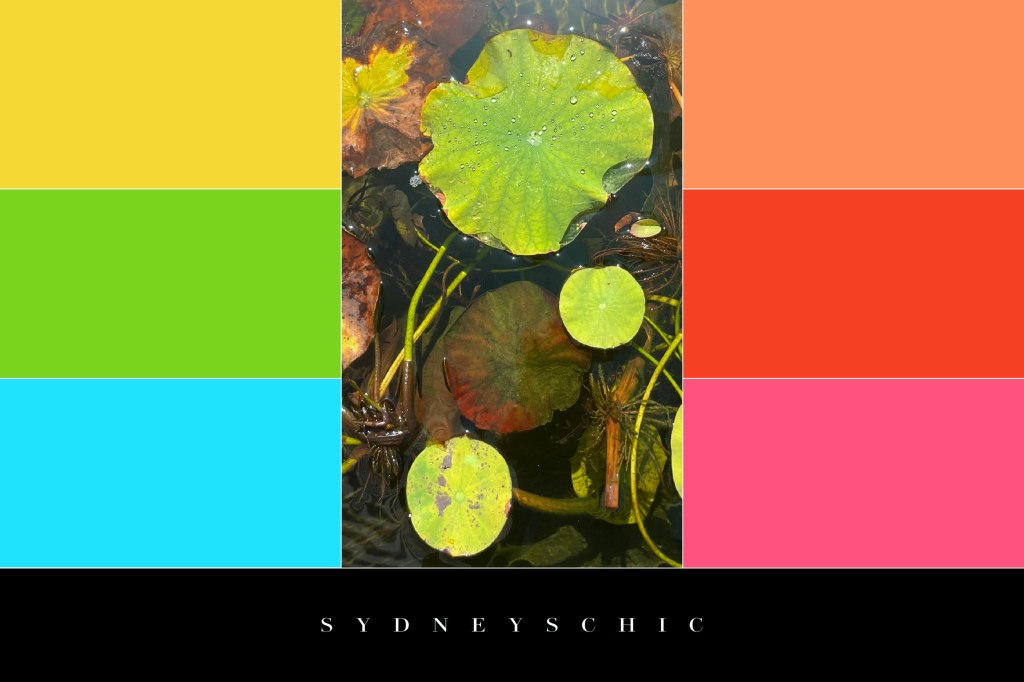
In color analysis, the spring season is all about vibrancy, lightness, and warmth. Think of the fresh, budding colors of nature after a long winter–the bright yellow of daffodils, the clear blue of a spring sky, the bright green of new leaves, and the delicate peach of blossoming trees. Spring garden regulars such as ephemerals tend to be some of the most colorful flowers of any time of the year and that’s how I remember spring color season as a palette.
Individuals who fall into the spring category typically have fair to medium skin with golden undertones, often accompanied by warm, light hair colors like strawberry blonde, light copper, ginger, golden blonde, or light to medium warm brown. Their eyes are usually light and clear, ranging from blue, green, and hazel, often with a golden sparkle somewhere as if they’ve been personally kissed by sun.
The palette for spring is characterized by these same qualities: bright, clear, and warm. Colors like coral, peach, camel, turquoise, lime green, and golden yellow are often very flattering, mirroring the energy and freshness of the season itself.
The key is to avoid colors that are too muted, dark, or cool, as these can wash out a spring’s natural glow and make them appear dull rather than the flower they truly are! Instead, embracing the lively and clear shades that echo the season of new beginnings will bring out their natural radiance.
Summer
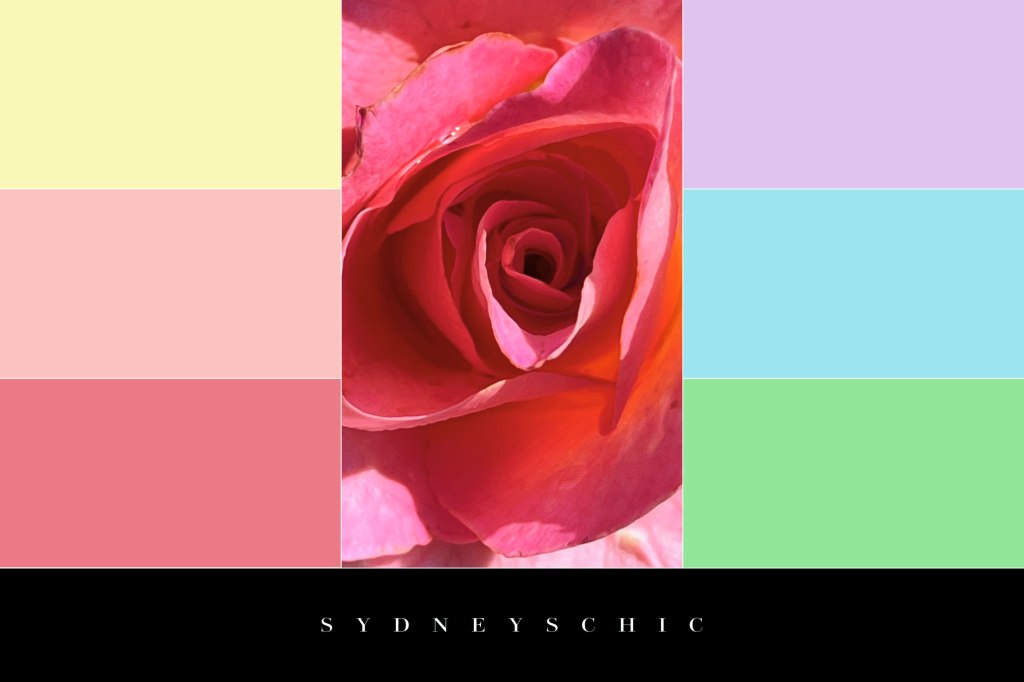
In color analysis, the Summer season is characterized by a cool, soft, and muted palette, often evoking a sense of gentle elegance. Think of a hazy summer morning, with its soft blues, muted pinks, and powdery lavenders. Summer colors are found in pastel painted sunsets and pale roses swaying in a light afternoon breeze.
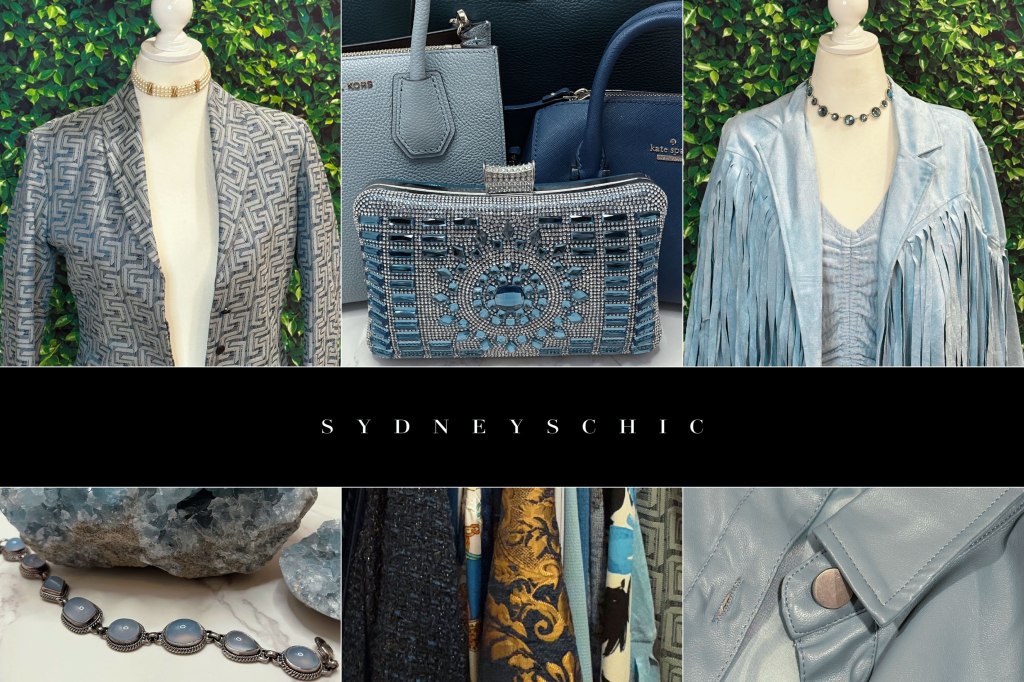
The characteristic summer palette avoids harsh contrasts, preferring instead a sweeping blend of gentle shades. These colors often have a blue or cool undertone, whether it’s the subtle blush of rose, the smoky depths of mauve, or the muted coolness of gray-blue. Imagine the soft hues of a watercolor painting – that’s often the essence of the summer color palette.
Summers typically have cool undertones in their skin, hair, and eyes, often with ash-blonde, light brown, or dark blonde hair and blue, gray, or green eyes. Even when their coloring looks warm, there’s a coolness to it that sets it apart from Springs and Autumns, placing them in the cool category with Winter. The contrast level between skin, hair, and eyes is typically low to medium, further reinforcing this sense of seamless blending.
The colors that flatter them are not overly bright or saturated; instead, they thrive in shades that are light and blended, like dusty rose, periwinkle, and seafoam green. Bold, warm colors tend to overwhelm a Summer, while soft, cool tones enhance their natural beauty, bringing out their delicate features and creating a harmonious, understated look. Pastels are a summer’s best friend!
Autumn
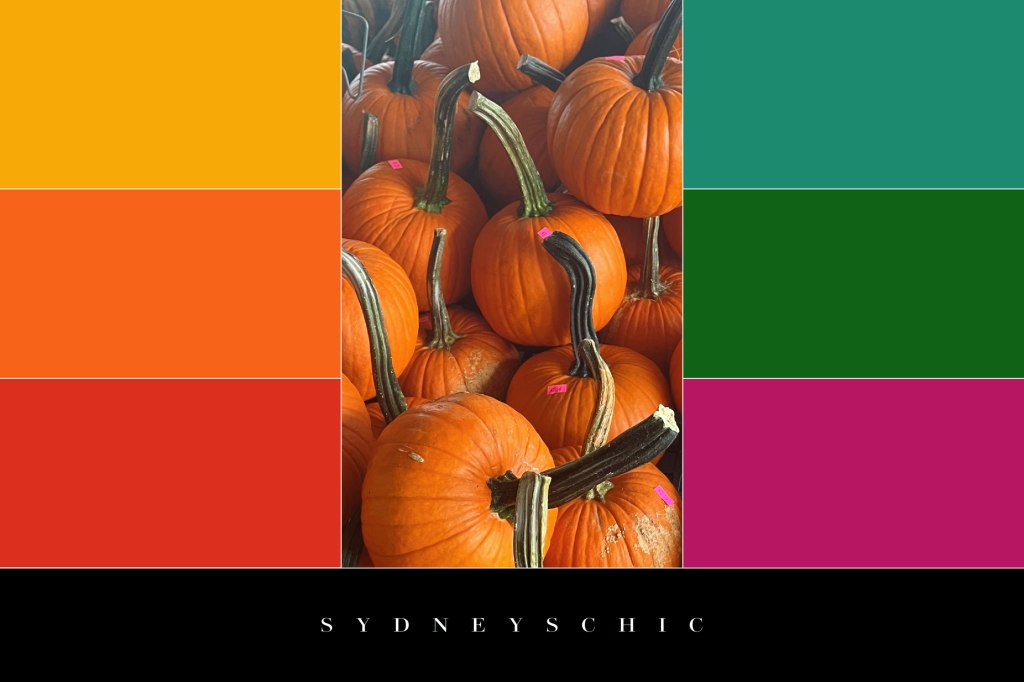
In color analysis, autumn is a season defined by warmth, depth, and richness, much like the vibrant foliage it’s named after. Think pumpkin patches and warm apple cider—this palette is all about feeling spellbound and wearing the magic of fall all year round.
Individuals who fall into the autumn category often possess complex colorings with golden undertones in their skin, hair, and eyes. Think of the spectrum of a forest in fall: the deep browns of tree bark, the golds, reds, and rusts of fallen leaves, the muted teals of the late afternoon sky, and the emerald greens of evergreens. These are the colors that harmonize beautifully with the autumn palette.
Hair can range from rich auburn or medium copper to warm browns and deep chestnuts. An autumn’s eyes are typically warm-toned as well, with shades of hazel, amber, olive, or warm blue-green. These individuals tend to look their best in more muted and substantial fabrics, as opposed to the very bright or very light choices that would overwhelm their coloring. They thrive in a spectrum of colors that evoke coziness, depth, and a touch of earthy glamour.
Rather than bright and saturated, autumn shades are typically soft and natural, featuring hues like olive green, burnt orange, camel, and deep teal. The key is to embrace the warmth and grounding nature of this season in your clothing, accessories, and makeup choices.
Winter
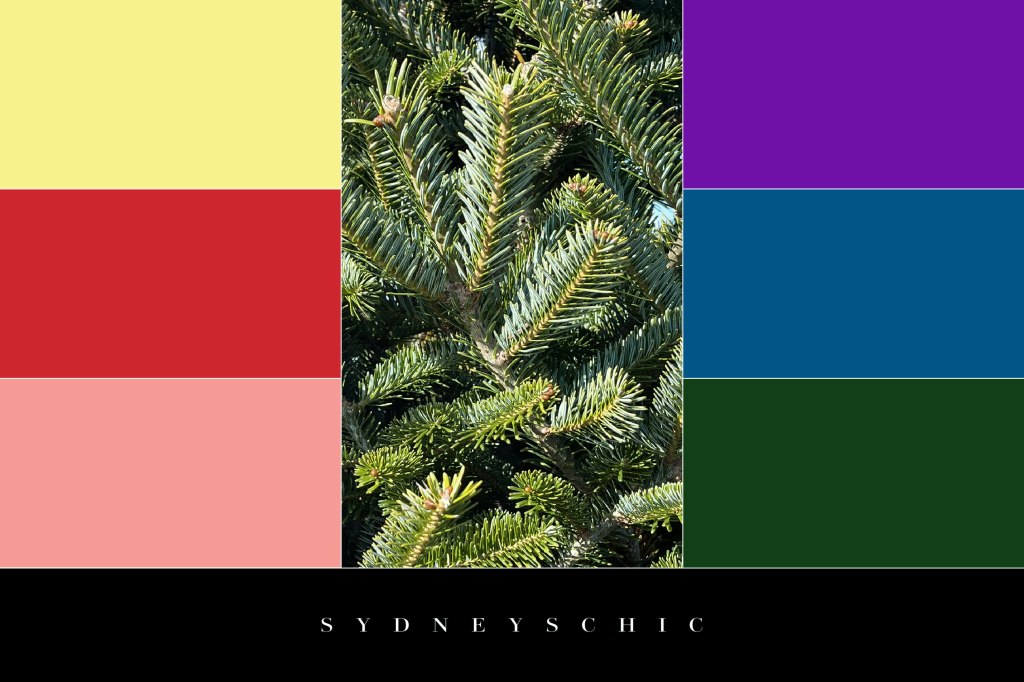
In color analysis, winter is a season of striking contrasts and vibrant intensity. Individuals who fall under the Winter category typically possess cool undertones, often with a bluish or pinkish cast to their skin. Their hair tends to be dark, ranging from deep black and espresso brown to cool ash blonde, while their eyes are often a sharp, clear color like icy blue, deep brown, or emerald green.
In some cases, redheads can also be winters which may seem contradictory to their warm hair but these would be shades with cool tone and deep reds like burgundy, crimson, ruby, or a reds leaning towards violet.
The key characteristic of a Winter’s palette is its high chroma, meaning the colors are bold and saturated. Think of the stark beauty of a winter landscape: the pure white snow against the dark, evergreen trees, or the vibrant berries that pop against a muted backdrop. Color stands out so much more against sparkling frost and that’s the true essence of winter as a color season.
For a Winter, flattering colors include bright fuchsias, icy blues, true reds, emerald greens, and pure blacks and whites. These hues echo the inherent boldness and clarity of their natural coloring, creating a harmonious and impactful appearance. Conversely, muted or warm-toned shades can often appear dull or mismatched against their striking features and clash with their natural contrast.
Finding your season
To determine which season you are in color analysis, the first step is to understand the basic principles of color theory and how it applies to personal color analysis. The seasons—spring, summer, autumn, and winter—serve as a framework for categorizing individuals into different color groups which can then help them choose complimentary clothing and accessories. Each season is associated with specific color palettes making it essential to identify the correct season to find the most flattering colors though it is possible to venture outside of your color season in fashion.
The next step is to examine your skin tone, which plays a crucial role in determining your season. Individuals with cool skin tones tend to have pink or blue undertones, while those with warm skin tones have yellow or golden undertones. To determine your skin tone, look at the color of the veins on the inside of your wrist. If they appear blue or purple, you have a cool skin tone, while green or yellow veins indicate a warm skin tone. You can also try the “jewelry test”—if silver jewelry makes your skin look brighter and more radiant, you may have a cool skin tone, while gold jewelry tends to complement warm skin tones.
Another important factor in determining your season is your hair color. Hair color can be categorized into different levels, from ash or cool tones to warm or golden tones. Individuals with ash or cool-toned hair tend to look best in cool, bright colors, while those with warm or golden hair look best in warm, earthy tones. Consider the natural color of your hair, as well as any undertones or highlights, to help determine your season. For example, if you have dark hair with warm, golden undertones, you may be an autumn or spring, while cool, ash-toned hair may indicate a winter or summer. The same can be said for skin tone. If you have a dark skin tone on the cooler side, you would probably be a winter or if you have a dark skin tone on the warm side, you’re most likely an autumn.
In addition to skin tone, lip shade, and hair color, eye color also plays a role in determining your season—honestly all of your colors matter when it comes to this type of analysis. Eye colors can be categorized into different groups, including cool colors like blue or green, and warm colors like brown or hazel. Individuals with cool eye colors tend to look best in the same cool, bright colors, of winter and summer while those with warm eye colors look best in the warm, natural tones of autumn and spring. Consider the color of your eyes, as well as any flecks or undertones, to help determine your season. By examining your skin tone, hair color, and eye color, you can begin to narrow down which season you may be and find the most flattering colors to enhance your natural beauty.
To further narrow down your season, try the “white shirt test”. Put on a white shirt and look at yourself in a mirror. If the white makes your skin tone look bright and healthy, you may be a Spring or Summer. If the white makes your skin tone look pale or washed out, you may be an Autumn or Winter. You can also try on different colored scarves, tops, or fabrics to see which colors make you look most vibrant and healthy. If you look best in bright, warm colors like orange or yellow, you may be a Spring or Autumn. If you look best in cool, calm colors like blue or purple, you may be a Summer or Winter. By considering these factors and experimenting with different colors, you can determine which season you are in color analysis and find your best colors.
If you are still struggling with the concept, look at live examples of color analysis in action using google images to search some of your favorite celebrities. It only takes a few clicks to find their color season to see how their stylists have incorporated this color theory into red carpet looks, photoshoots, and movie costumes! If you’re curious about how this applies to your own color season search some celebrities that have similar coloring to yourself to see which season they’ve been deemed as it will help you narrow down your own category. There’s also plenty of online quizzes you can take but I suggest taking a few and going with whichever result you get the most as your true match.
Ultimately, determining your season in color analysis is a personal and subjective process. It may take some trial and error to figure out which season you are, and it’s okay if you don’t fit perfectly into one category. Many people are a combination of two seasons, known as a “hybrid” season. For example, you may be a Spring-Summer hybrid, with warm skin tones and cool eye colors. In my case, I have warm tone hair and eyes but cool undertones to my skin and a high contrast to my overall coloring so I often switch back and forth between seasons. Given the contrast of my coloring, I lean more towards jewel tones in general which are commonly considered to be in the winter and autumn seasons though as I said, my hair allows me to move around. Find the shades that make you look and feel your best, and to have fun experimenting with different colors and styles along the way!
Colorful conclusions
Color is undeniably a fundamental element of fashion, influencing not only our visual perception of garments but also our emotional response to them. Directly tied to our confidence, color rules our closets. From the subtle nuances of pastels to the bold statements of vibrant hues, color dictates mood, communicates personality, and establishes trends.
Designers carefully consider color palettes when creating collections—choosing new ones each year. Understanding the power hues hold to evoke specific feelings and aspirations is so important to one’s own personal aesthetic. A carefully chosen color can elevate a simple silhouette, while a poorly considered one can render even the most intricate design unappealing.
Ultimately, color in fashion is far more than just a visual choice; it’s a powerful tool for expression, communication, and the art of creating wearable experiences. Therefore, we can conclude that color is not a mere accessory in fashion but rather a vital language that we should all strive to be fluent in—a foundation upon which style, personality, and trends are built. Its significance cannot be overstated, as it’s the very essence that breathes life, emotion, and meaning into the garments we choose to wear.
Whether you choose to incorporate your color season into your everyday life or not, I think the whole idea is interesting, unique, and fun! However, we tend to view fashion rules more as guidelines around here and if you like wearing particular shades that are not included in your season, who cares? Wear what you want and apply what knowledge you think is applicable but don’t stop rocking your favorite colors just because a fashion quiz told you to. Use this information to better your style, not tear it down. Stay colorful!

make sure you subscribe & follow to be notified of new content
©sydneyschic ┊image credit: sydneyschic ┊unsponsored post






 Sydney's Chic.
Tell me what you think!