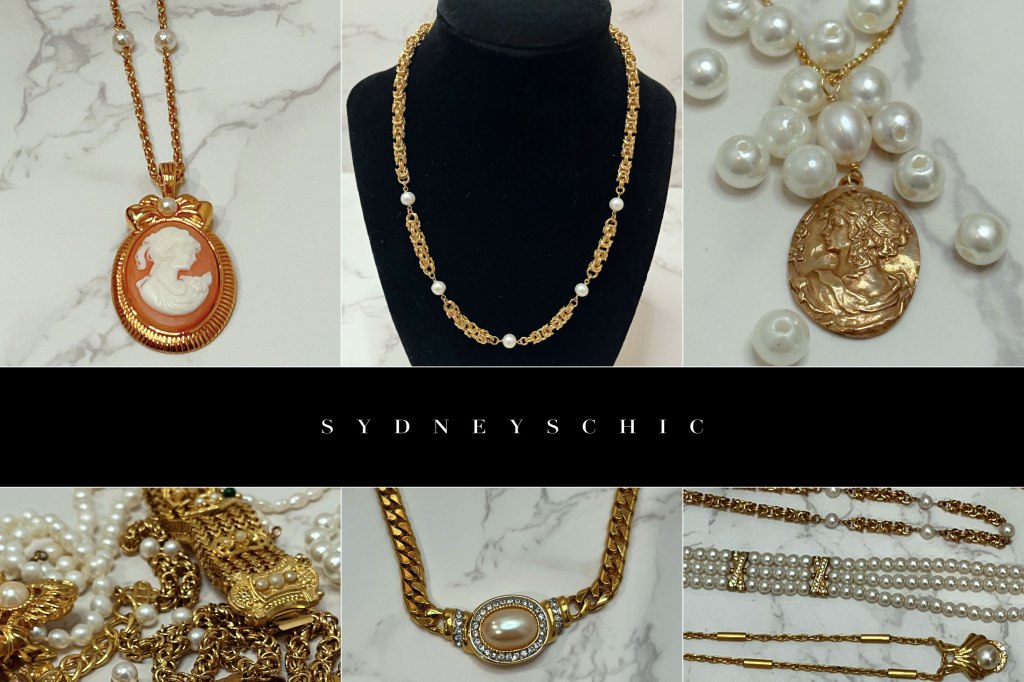

This week, we’re embarking on a journey through the dazzling and enduring world of timeless jewelry. We’re moving beyond the fleeting trends dictated by the fashion industry and delving into the pieces that have consistently captured hearts and adorned bodies for generations, solidifying their position as true style icons. Forget the ephemeral nature of passing fads; our mission this week is to identify and dissect the key elements that contribute to lasting elegance in jewelry design. We’ll be exploring the craftsmanship, materials, and iconic styles that ensure a piece of jewelry remains relevant and desirable decade after decade so you get the most for your investment.
Prepare to discover the essential jewelry staples that deserve a coveted place in your collection—pieces that will not only effortlessly elevate your personal style for years to come but also hold the potential to become cherished family heirlooms, passed down and treasured for their beauty and enduring value. We’ll cover everything from classic pearl necklaces and diamond studs to elegant gold chains and cocktail rings, providing you with the knowledge and inspiration to build a jewelry wardrobe that is both sophisticated and enduring.
Cameos
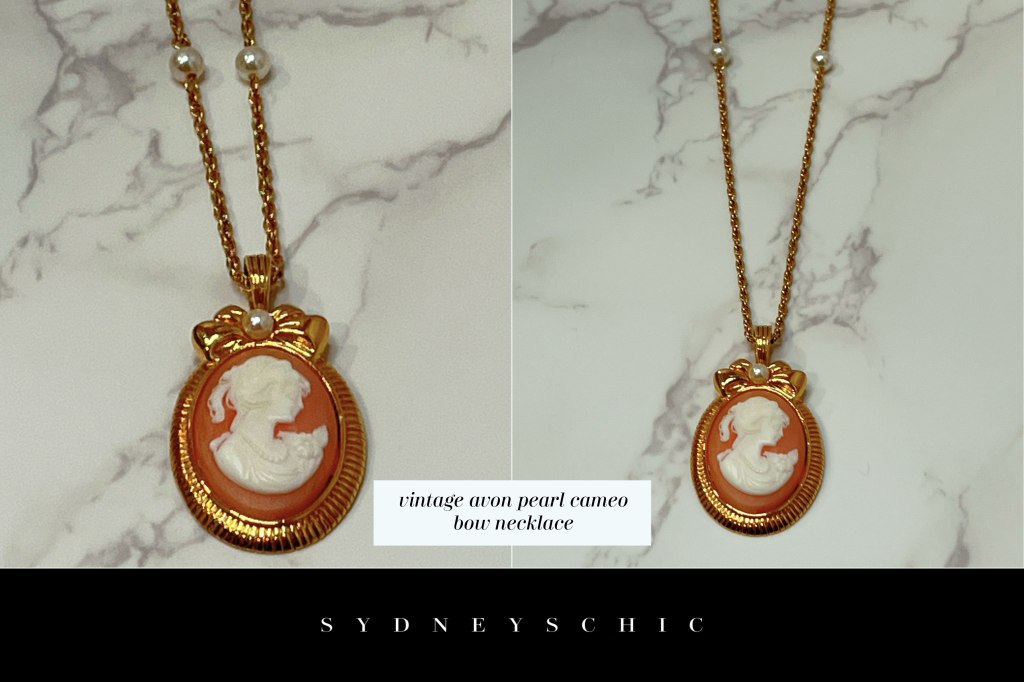
Cameos, a timeless and elegant form of jewelry, have captivated admirers for centuries with their delicate beauty and highly detailed designs. These miniature works of art offer a glimpse into history and artistry, representing a rich tradition passed down through generations. Traditionally, cameos are hand-carved, a testament to the patience and skill of the artisan. Popular materials for this intricate process include layered agate, prized for its varied colors; delicate shell, offering a light and airy feel; and vibrant coral, lending a warm and striking touch.
The carving process itself is a delicate and time-consuming endeavor. Skilled artisans meticulously remove thin layers of the chosen material to reveal a contrasting relief image. This image typically depicts a portrait, often of a prominent figure or a beloved family member, or a scene drawn from classical mythology, offering a window into ancient stories and legends. Natural scenes, such as floral motifs and landscapes, are also commonly featured, showcasing the beauty and tranquility of the natural world. The artistry involved demands precision and a deep understanding of the materials, resulting in a unique and cherished piece of wearable art.
Cameo jewelry boasts a rich history, gracing the wardrobes of royalty, aristocrats, and famous figures since its origins in the Roman Empire. These intricately carved pieces, most often seen as elegant brooches or necklaces, have transcended time to become an ageless accessory. Notably, cameos held a significant place in Victorian era fashion, embodying sentiments of romance, mourning, and status. Their popularity experienced a vibrant resurgence in the 20th century, solidifying their position as a cherished jewelry box staple among the upper classes, valued for their refined beauty and historical charm. If you are a traditional lady, you’ll want to have at least one!
Solitaires
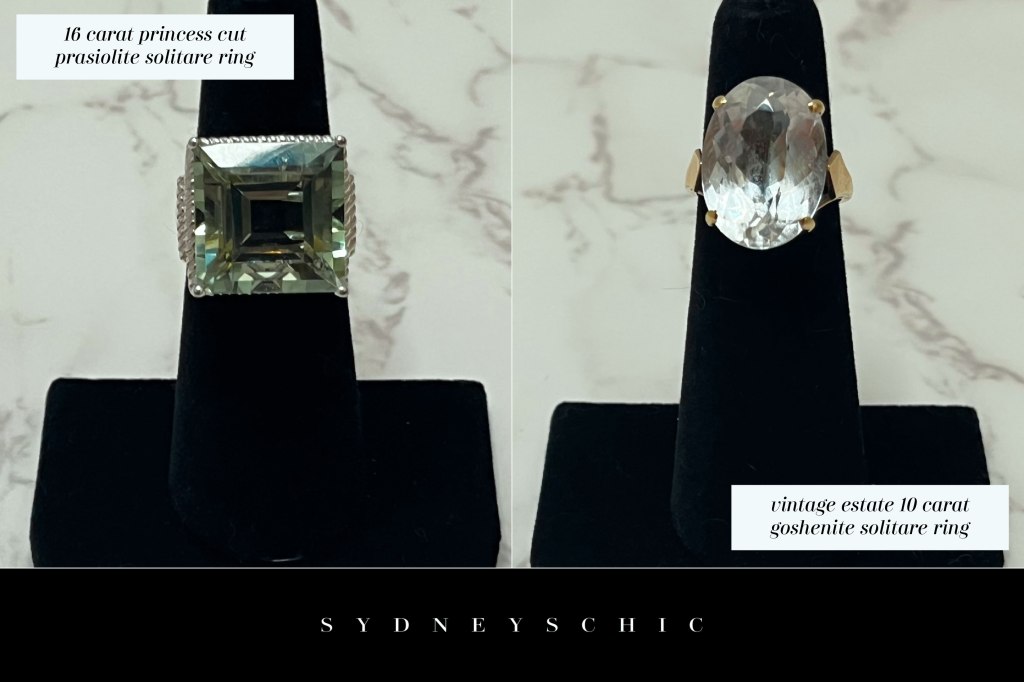
A solitaire ring epitomizes classic elegance with its timeless design, featuring a single, captivating gemstone taking center stage on a sleek band. The beauty of this setting lies in its focused simplicity; it’s all about showcasing the inherent brilliance and fire of the central stone. While diamonds are the most frequently chosen gemstone for solitaire rings due to their unmatched sparkle and symbolism, other precious and semi precious gemstones can also be used to create a unique and personalized piece. The minimalist nature of a solitaire setting expertly highlights the stone’s cut, clarity, and color, allowing its inherent qualities to truly shine.
This emphasis makes it an exceptionally popular choice for engagement rings, symbolizing commitment and devotion, as well as other significant occasions where a single, powerful statement is desired. Beyond its symbolic value, the clean lines and understated sophistication of a solitaire ring contribute to its remarkable versatility. It can be effortlessly paired with a variety of wedding bands, stackable rings, and other jewelry styles, seamlessly integrating into any personal aesthetic and making it a cherished and enduring piece that will be treasured for years to come.
The inherent simplicity of solitaires matches any trend, offering a grace that remains perpetually in style. The minimalist design makes them incredibly versatile, easily complementing any outfit, from casual everyday wear to formal evening attire. While understated, a solitaire ring can be a very visually compelling jewelry choice. The singular gemstone, often larger and unencumbered by other embellishments, allows for a deeper appreciation of its unique characteristics, showcasing its brilliance, clarity, and color with remarkable observation. This focused presentation draws the eye and creates a statement of refined beauty that speaks volumes despite its simplicity.
Byzantine
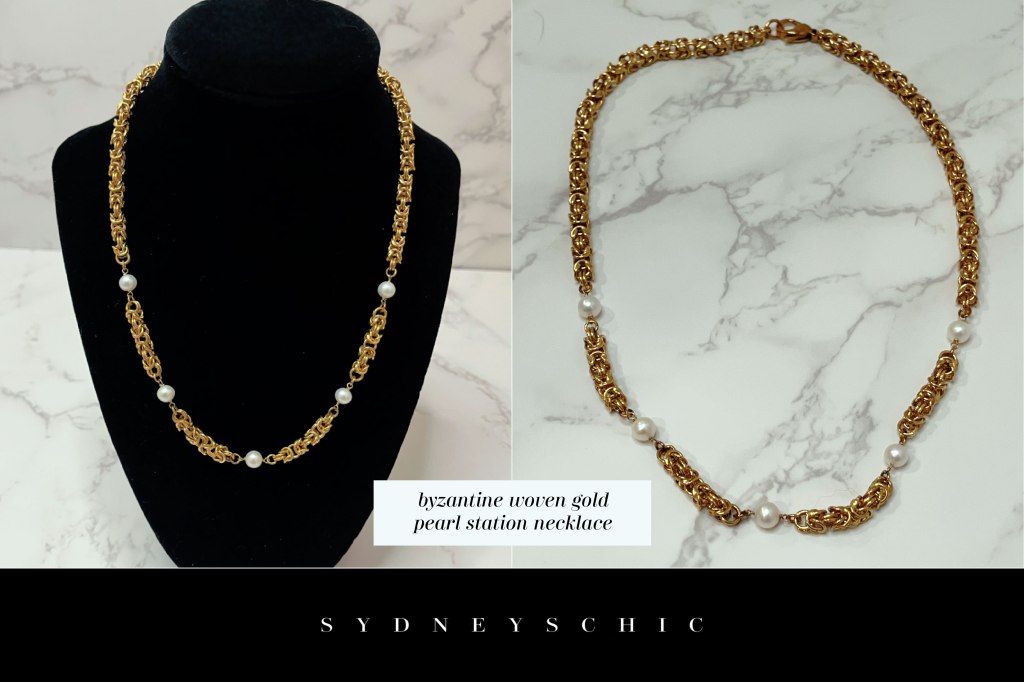
Byzantine gold jewelry, flourishing from the 4th to 15th centuries, is renowned for its opulent beauty and intricate craftsmanship. Reflecting the power and wealth of the Byzantine Empire, these pieces were often adorned with precious and semi precious stones like sapphires, emeralds, pearls, and garnets, set in elaborate goldwork. Common motifs included religious symbols like crosses and depictions of Christ, the Virgin Mary, and various saints, alongside stylized floral and animal designs. Techniques such as cloisonné enamel, filigree, and granulation were frequently employed to create textures and vibrant colors, making each piece a miniature work of art reflecting the empire’s rich artistic and cultural heritage.
Byzantine gold chains have emerged as a prominent jewelry staple for both men and women, offering a unique blend of historical significance and contemporary style. Characterized by their intricate, interwoven links that create a visually dense and textured design, these chains exude a sense of luxury not found in simpler styles. Celebrated for their durability and substantial weight, they offer a masculine detail that can elevate any outfit, from casual wear to more formal attire. The Byzantine chain’s distinct pattern, often resembling a thick rope or a series of interconnected boxes, sets it apart from other chain types, making it a statement piece that speaks to individuality and a discerning taste for refined accessories.
The appeal of Byzantine jewelry in contemporary fashion lies in its ability to make a statement. Unlike minimalist designs, these pieces are bold and attention grabbing, offering a sense of luxury and history that still frequently captivates on the runway. This jewelry can elevate a simple outfit, adding a touch of regal elegance, or be paired with more elaborate ensembles to create a truly maximalist look—which we love around here. Furthermore, the use of high quality materials like gold and gemstones ensure that these pieces are not only beautiful but also enduring, making them a worthwhile investment for the modern fashion enthusiast just as they were a thousand years ago. The revival of Byzantine jewelry demonstrates a fascinating dialogue between past and present, where ancient craft meets contemporary style.
Halos
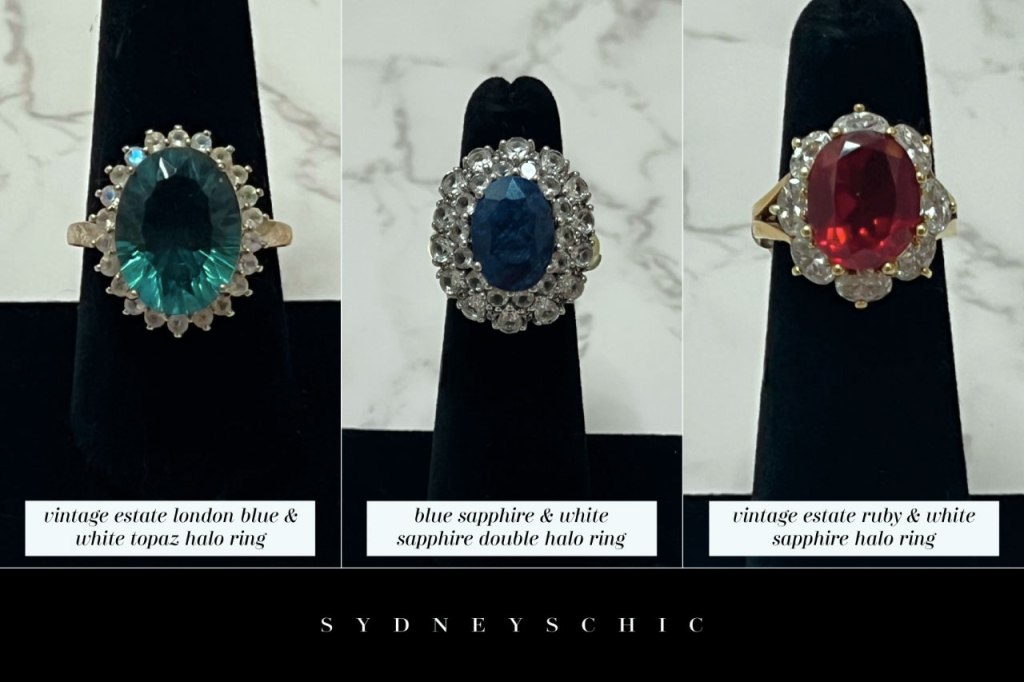
A halo ring is a jewelry design characterized by a central gemstone that is closely surrounded by a collection of smaller diamonds or other precious gemstones. This encircling arrangement of stones forms a “halo” effect, giving the ring its name. The primary advantage of a halo setting is its ability to accentuate the center stone, making it appear significantly larger and more brilliant than it would on its own. The surrounding stones act as a magnifying frame, enhancing the center stone’s perceived size and creating a dazzling display of light and sparkle.
Beyond just increasing the visual size, the halo also provides a sparkling frame that draws the eye directly to the focal point of the ring. This effect amplifies the overall visual impact and creates a more luxurious and eye catching piece known to be sported by many royals. Halo settings are particularly popular for engagement rings, where the desire for a stunning and memorable design is paramount. One of the most famous engagement rings in the world—the sapphire ring of the late Princess Diana and later Catherine Middleton—is in fact a halo style. However, they are also widely used in other types of fine jewelry, such as pendants, earrings, and cocktail rings, offering a classic yet undeniably dazzling aesthetic that appeals to a broad range of tastes. The versatility and brilliance of the halo setting ensure its continued popularity in the world of fine jewelry.
Halo jewelry’s enduring popularity stems from several key factors. Firstly, the halo setting inherently enhances the perceived size and brilliance of the center stone and this amplification effect allows for a smaller center stone to appear significantly larger, making it an accessible option for a wider range of budgets. Secondly, the halo design offers a classic and romantic aesthetic, evoking a sense of vintage glamour and class. Whether set in a modern or antique setting, the halo’s delicate detailing and surrounding sparkle create a dreamt visual that resonates with a sense of enduring love and grandeur. Finally, the flexibility of the halo design allows for endless customization, seamlessly adapting to various gemstone shapes, metal types, and overall styles. This adaptability ensures that the halo can be tailored to reflect individual tastes and preferences, solidifying its position as a eternally chic choice in the world of jewelry.
Chokers
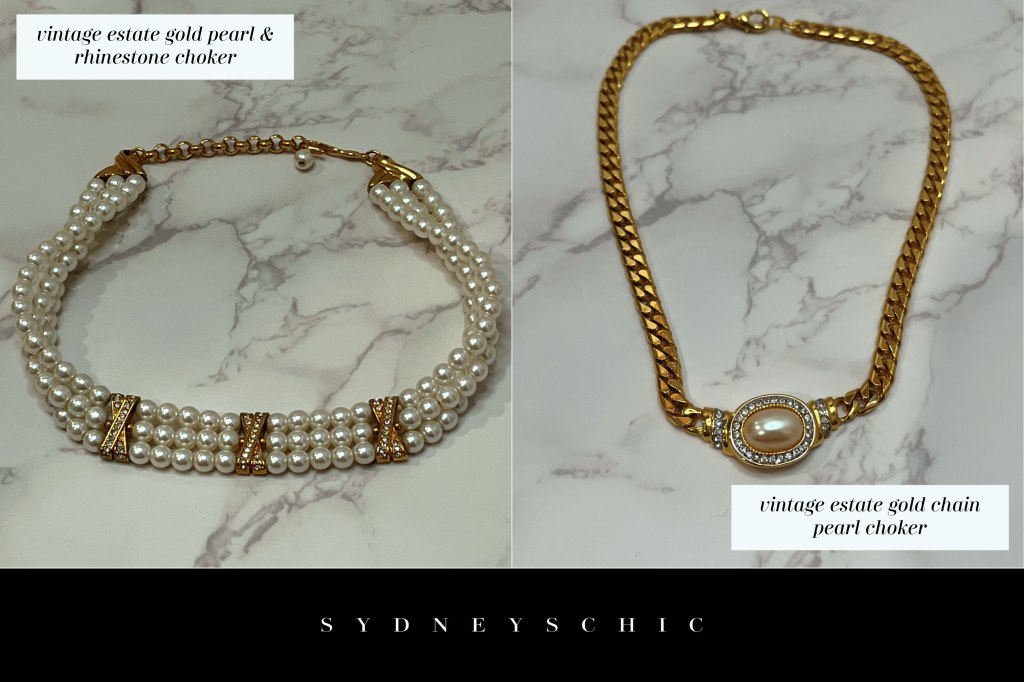
Choker necklaces, those close fitting bands of adornment that encircle the neck, boast a rich and varied history, appearing in diverse cultures and across a multitude of time periods. Far from being a modern invention, the choker’s origins can be traced back to many different ancient civilizations, where they often served as protective talismans warding off evil spirits or as potent symbols of status, denoting wealth, power, or belonging to a specific tribe or social class. Think of Egyptian pharaohs adorned with elaborate gold chokers, indigenous communities utilizing beaded designs laden with symbolic meaning, or the warrior queen Boudica of the Iceni that took on the might of Rome with gold dangling from her neck.
Later, in the Victorian era, chokers experienced a significant resurgence, transforming into elegant statements of fashion, often crafted from luxurious materials like velvet, lace, or pearls, and subtly referencing the romantic and sometimes melancholic aesthetic of the time. This era saw chokers become associated with high society and would fly to the top of the trends in the 1980’s when Princess Diana frequently wore them to events. Her pearl and sapphire choker would go on to become one of her most widely recognized pieces of jewelry that many still associate with her today. Another royal known to favor a choker is the newly minted Princess of Wales, Catherine, who often wears a pearl and diamond choker necklace she inherited from the late queen.
Today, chokers remain a popular accessory among the fashion savvy—a testament to their adaptable appeal and ever changing variations. They are available in a myriad of types, catering to diverse tastes and budgets though I don’t think you can ever go wrong with pearls. From delicate velvet ribbons and intricate lace designs evoking vintage charm to bold metal bands exquisitely embellished with gems exuding modern dignity, chokers reflect an ageless allure that seamlessly resonates with all trends. Whether worn as a subtle accent or a striking focal point, the choker continues to be a dynamic piece of jewelry connecting us to our personal style.
Coins
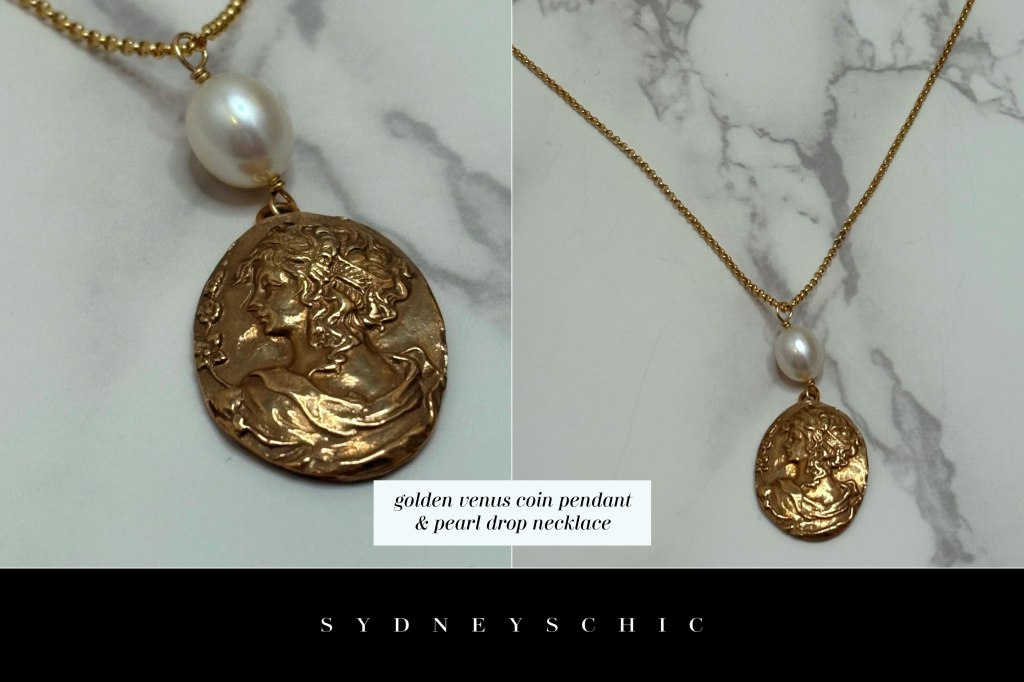
The history of coin jewelry stretches back millennia, finding its roots in ancient civilizations where coins held both monetary and symbolic value, blurring the lines between currency and personal expression. In ancient Rome and Greece, coins were often pierced and worn as amulets, believed to offer protection from harm, attract good fortune, or even ward off evil spirits. Their meticulously crafted imagery, often depicting powerful emperors, revered gods, or significant historical events, lent them a sense of authority and divine favor, acting as miniature pronouncements of power and belief on the wearer. Being unisex in nature, they were proudly worn by everyone which was rare for jewelry of the time that was typically either masculine or feminine.
As trade routes expanded, connecting disparate corners of the world, the practice of using coins as adornment spread, adapting to the unique aesthetics, religious beliefs, and social hierarchies of different cultures. From the chicness of a single coin pendant suspended on a delicate chain to the elaborate grandeur of necklaces and bracelets meticulously crafted with dozens, even hundreds, of coins, coin jewelry served not only as a tangible statement of wealth and social standing, but also as a wearable piece of history. Each coin carried the legacy of past empires and rulers, whispering tales of economic prosperity, territorial conquest, and the artistic sensibilities of bygone eras. These pieces became miniature time capsules, connecting individuals to the vast tapestry of human history and allowing them to carry a tangible piece of the past with them. In addition to their rich history, coin jewelry has also become a powerful staple among modern fashion houses including Versace.
Coin jewelry possesses a timeless appeal that has ensured it’s survival into the contemporary age. The inherent historical significance and artistry embedded within coins lend each piece a unique character and story. These miniature works of art, often bearing intricate designs and representing different eras, offer a tangible connection to the past. Whether it’s a Roman Empire denarius repurposed into a pendant or a Victorian era shilling transformed into elegant earrings, coin jewelry offers a glimpse into history that resonates with wearers and admirers alike. This inherent intrigue, coupled with the changeability of coin designs, allows them to seamlessly integrate into a wide range of styles, from bohemian and vintage to modern and minimalist, guaranteeing its place as an eternally stylish accessory.
Cocktail
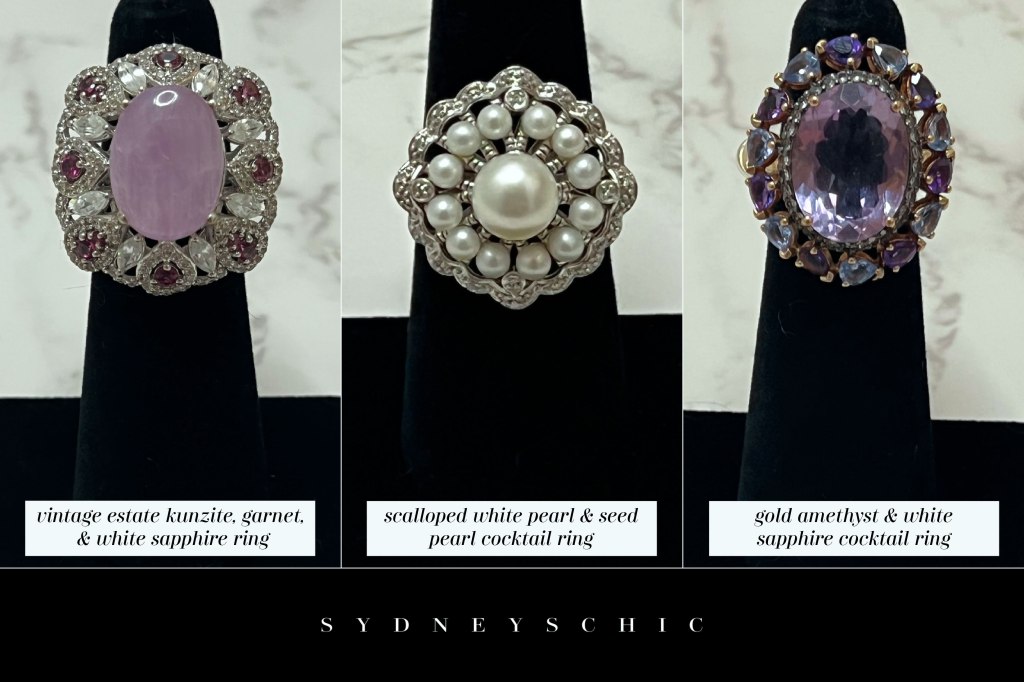
The cocktail ring—a flamboyant and often oversized statement piece—boasts a history deeply intertwined with social change and rebellion. Emerging in the Roaring Twenties, a period of unprecedented economic prosperity and social liberation for women, particularly in America, the cocktail ring quickly became more than just an adornment—it was a symbol of newfound independence and a visual representation of a changing social landscape. During Prohibition when the sale and consumption of alcohol were outlawed, illicit “cocktail parties” sprang up in secret speakeasies and private homes, offering a discreet escape from the constraints of the law. These glamorous gatherings provided the perfect stage for women to flaunt their stylish ensembles and most importantly, their audacious and eye catching rings.
These rings weren’t merely decorative jewelry—they were a deliberate statement. They were a bold declaration of freedom, a visual rebellion to be worn against the prevailing societal norms that had long confined women to more traditional roles. The act of wearing such a prominent and extravagant piece of jewelry was a sign of defiance, signifying their right to participate in the formerly male dominated world of imbibing, socializing, and enjoying leisure. The cocktail ring became a potent symbol of female empowerment, representing not only their economic independence but also their growing social and political influence in a rapidly changing world. It whispered, “I am here, I am independent, and I will not be ignored,” making it a lasting icon of the Jazz Age and the women who dared to break the mold.
Cocktail rings have remained a triumphant pillar of modern fashion, shedding their exclusively formal connotations and embracing a more daily, individualistic style. While they still shine at glamorous events, today’s cocktail rings are equally at home adding a touch of drama to everyday looks. Designers are experimenting with bold, unconventional gemstones, sculptural settings, and unexpected materials, moving beyond the classic diamond centric designs of the past. This evolution allows wearers to express their personality and find something truly unique using cocktail rings as a statement piece to complement anything from jeans and a t shirt to a chic power suit. The cocktail ring is all about confidence and self expression, a vibrant accent that elevates any outfit and reflects the wearer’s unique flair. I think it’s safe to say, it’s not going anywhere anytime soon!
Brooches
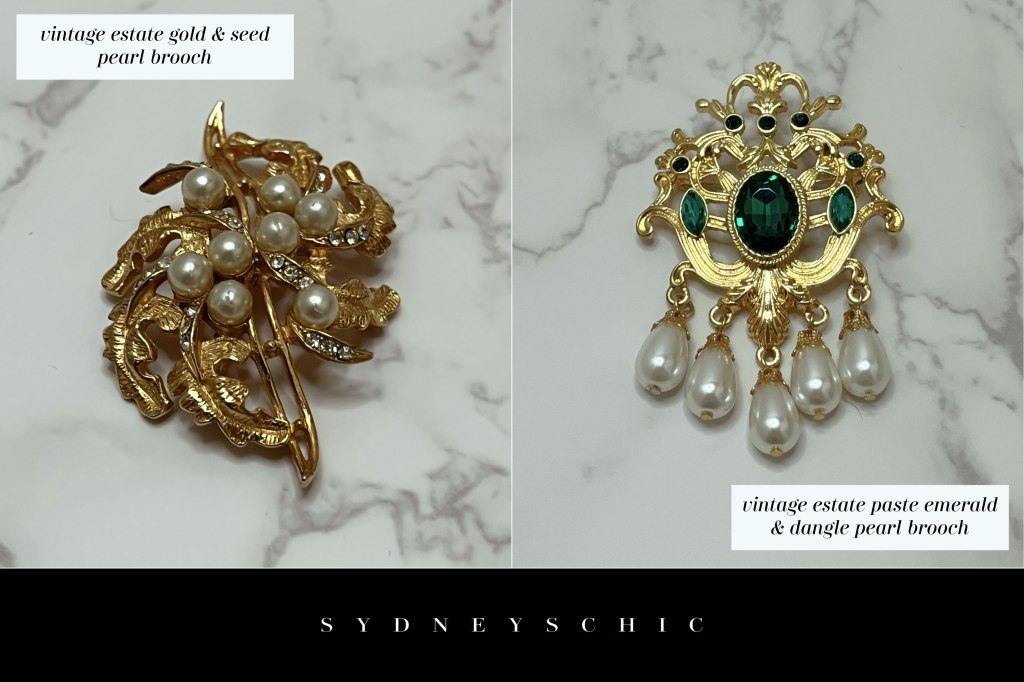
Listen here, brooches are not just for grandmas and I’m sick of being called a little old lady for wearing them. I am free to brooch as I see fit and and so are you. They were chic, they still are chic, and they will always be chic! I don’t want to hear it anymore—they are like gaudy buttons you can wear anywhere and I absolutely love them. I mean, how fabulous! Glitter here, glitter there! You can literally add sparkle anywhere when you wear a brooch and it is truly a magical experience that our nonnas meant for us to experience too. Okay, that’s all. I will continue with the post but I just thought I’d add that footnote in support of us loyal broochists because I know that I’m not the only one. Our numbers may dwindle but I’m not alone.
The history of brooches is rich and spans millennia, evolving from purely functional fasteners to intricate decorative statements. Early brooches, dating back to the Bronze Age, were primarily utilitarian, serving to hold clothing together using simple pins and clasps crafted from materials like bone, thorns, and later, bronze. As civilizations advanced, so did brooch design. The Iron Age saw the emergence of fibulae, more sophisticated safety-pin-like brooches, becoming integral to Roman and Celtic attire. These were often adorned with simple geometric patterns and were indicative of social status. During the medieval period, brooches flourished as badges, religious symbols, and markers of allegiance. The Renaissance brought about elaborate designs incorporating precious metals and gemstones, transforming the brooch into a significant symbol of wealth and fashion. You might remember seeing brooches used in paintings of Tudor monarchs if you have an affinity for history. The Victorian era, brooches returned to prominence by becoming sentimental keepsakes, often featuring mourning motifs or intricate floral arrangements.
Brooches, once relegated to the jewelry boxes of grandmothers, have seen a style renaissance in everyday fashion. No longer seen as stuffy or outdated, they’re now embraced as glamorous accessories that can add flare, elegance, and a touch of vintage charm to any outfit. From adorning the lapels of blazers and coats to securing scarves and even embellishing handbags and hats, brooches offer a unique way to add a little extra bling into your everyday looks. They can be used to make a statement, adding sparkle and visual interest to simple garments that might otherwise look plain, or to subtly enhance a more elaborate ensemble.
Pearls
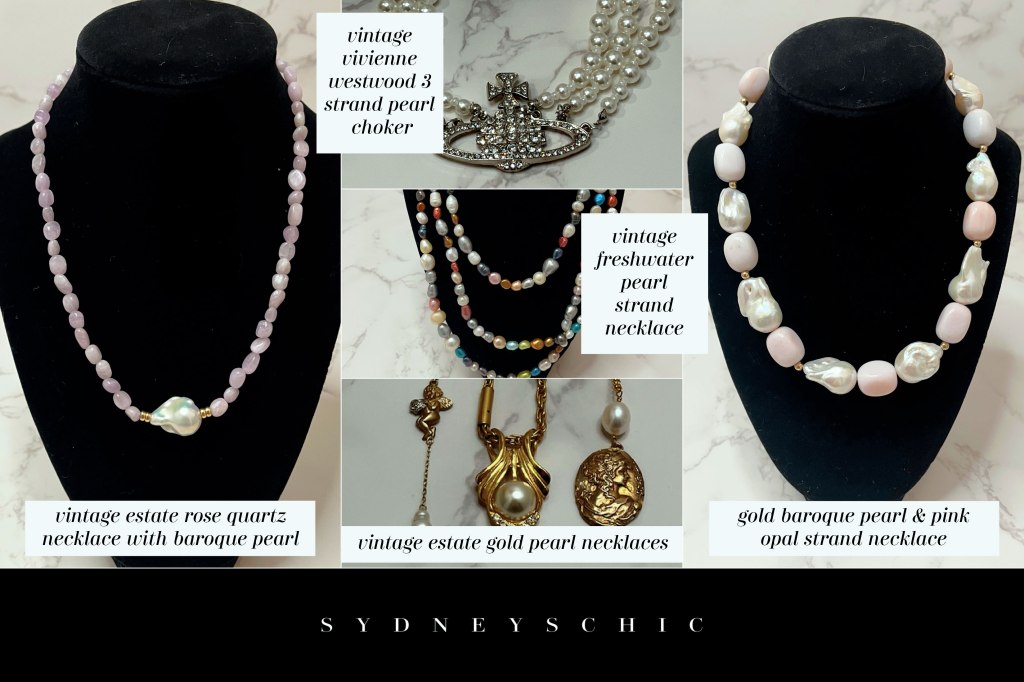
The allure of pearl jewelry stretches predates recorded history. Evidence suggests that pearls were among the earliest gemstones known to humankind, adorning the necks and ears of royalty in ancient Egypt, Rome, and Persia. These early pearls were treasured not only for their beauty, but also for their rarity, as they could only be obtained by divers risking their lives in deep waters. The pursuit of pearls fueled trade routes and even inspired conquests, with empires vying for control of pearl-rich harvesting grounds. Classical literature is filled with references to pearls, cementing their status as symbols of wealth, purity, and sophistication. From simple strands to elaborate diadems, pearls were an undeniable indicator of status and power in the ancient world.
Classical literature, from the epic poems of Homer to the philosophical writings of Pliny the Elder, is replete with references to pearls, further cementing their status as potent symbols of high status. They were more than mere adornments; they were carefully chosen emblems representing virtue, power, and refined taste. They represented a connection to the ocean’s mysteries, a testament to human courage, and a reflection of the timeless beauty that has captivated humanity for ages. In later history they would be worn by monarchs and used in official crowns, appearing in many collections of state jewels. Pearls were popular jewelry during the Italian Renaissance and were a favorite of the Tudor court and Queen Elizabeth I of England. In more recent history, they have been admired and well worn by many first ladies.
Pearl jewelry has secured its status as perhaps the most timeless jewelry staple in the world of fashion no matter the time or place. From classic strands of pearls to delicate pearl earrings and statement pearl rings, these gems from the sea elevate every outfit without even having to try. Their inherent luster and soft, creamy hues complement a variety of skin tones and styles, making them as equally fitting for a formal black-tie event or a casual day out. This wearability, combined with their association with grace ensures that pearl jewelry remains a beloved and cherished accessory for generations to come. In my opinion, pearls are one of the best and safest jewelry pieces to invest in so I thought it was only fitting to end here with one of my favorites!

make sure you subscribe & follow to be notified of new content
©sydneyschic ┊image credit: sydneyschic ┊unsponsored post






 Sydney's Chic.
Tell me what you think!