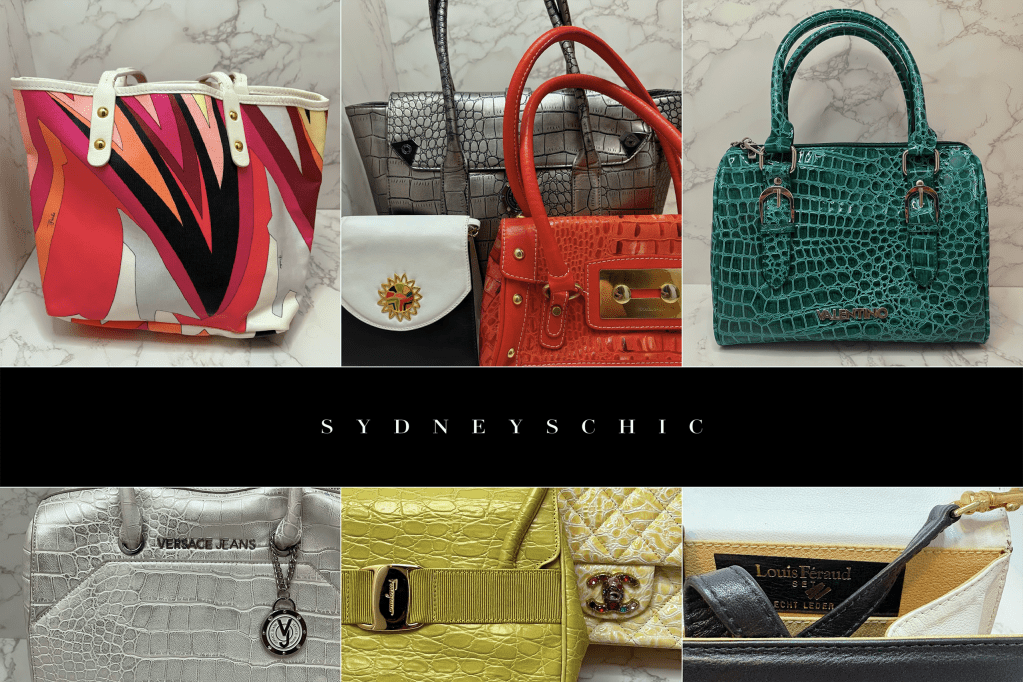

It’s recently been brought to my attention that there is actually a national handbag day and that it’s the day after my birthday on October 10th. I don’t know how I didn’t know this information sooner—like how? Who even am I? There aren’t words to express how targeted and special that felt given my enduring handbag obsession so naturally, I had myself a good cackle and decided handbags would be this week’s topic but we’re putting a retro spin on it!
We’ve spoken about handbags in previous posts here before but they never cease to be a major topic of conversation when I’m out and about doing what I do. The fascination only grows when it’s revealed that I’m a handbag collector with a carefully crafted vintage archive—in fact most of my handbags are actually vintage and older than me! Not to age myself on the heels of my birthday but I was collecting vintage while it was still taboo and everyone’s mouth was only watering over strictly new.
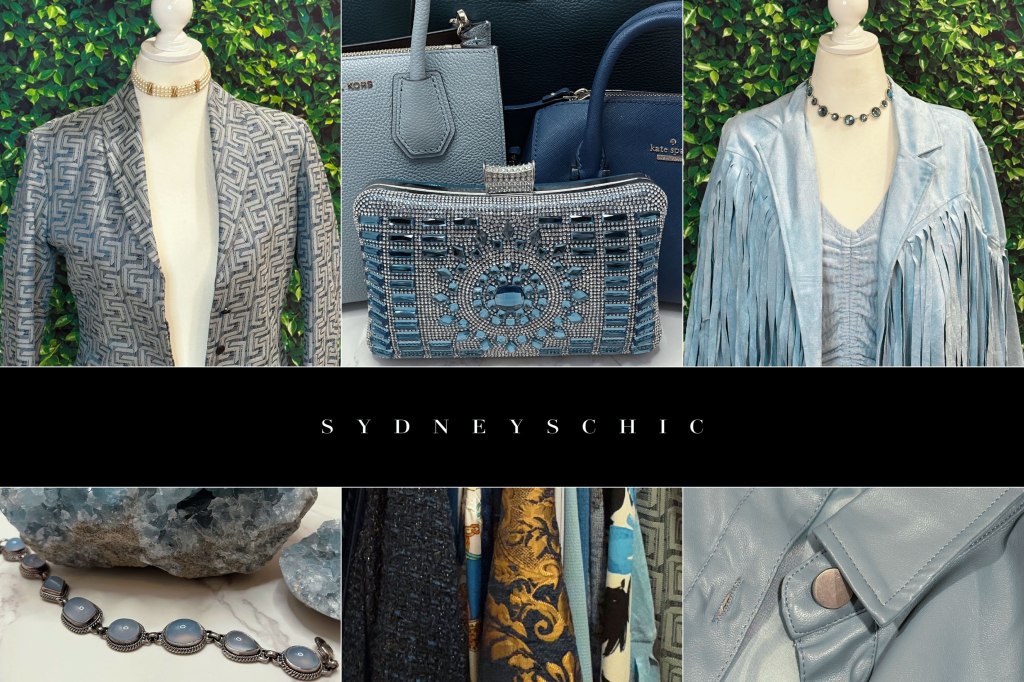
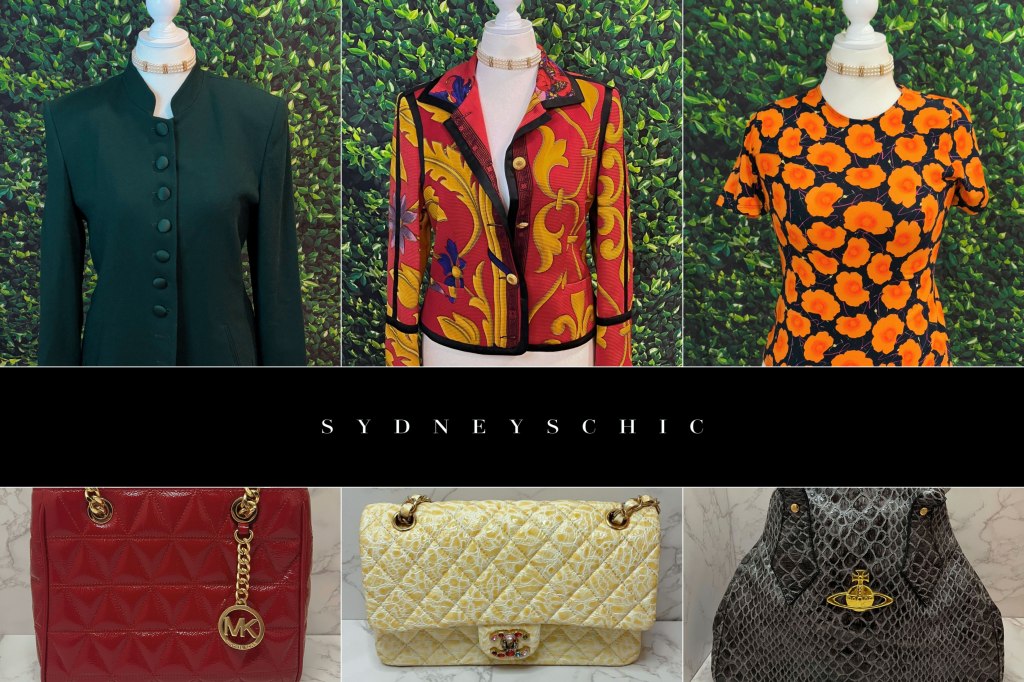
Thankfully preloved and vintage items have been brought into the spotlight with the recent focus shifting to sustainability but it wasn’t always that way! To celebrate national handbag day, I’ll be sharing my tips about shopping vintage handbags! I’ll include lots of pictures from my carefully curated vintage collection so you can see what I’m talking about! Whether you’re new to shopping vintage or not, stick around and you might just learn a little something trick or two!
Old stock expectations
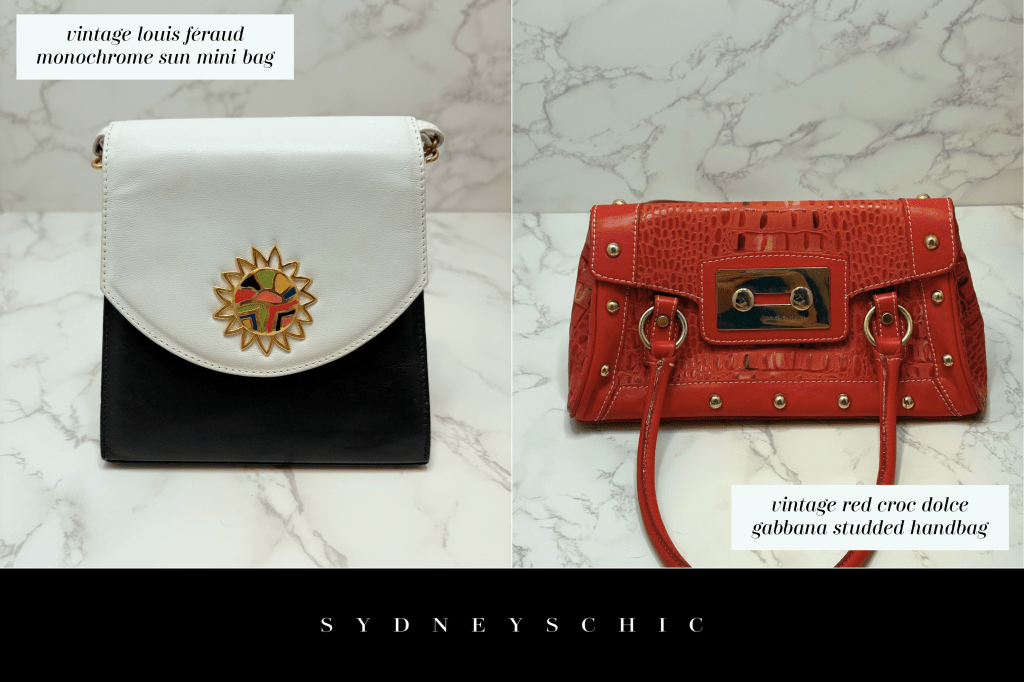
Now, before I begin getting into the specifics, it’s important to remember that vintage handbags are not new—duh. Most of my vintage handbags are from the 1990’s and there is a difference between simply “preloved” and “vintage”. A vintage item can be preloved but a preloved item doesn’t always mean vintage. Preloved is just something bought secondhand while vintage means that there’s a particular implied age on your item which can reflect things like price and quality. These terms are often confused but it’s good to know the difference when shopping. A vintage bag’s preloved condition will not only reflect use but age depending on the item you’re purchasing.
There are vintage handbags that you can buy “new” and “unused” however they will probably still show some signs of ageing even if they weren’t actually worn which is normal for this market. That being said, these “old stock” or “dead stock” handbags are often in much better condition than vintage preloved bags because they’ve been exposed to less. If they’ve been stored properly these bags can be in pristine condition like the day they were bought depending on their care.
If you are specifically looking for handbags like this, make sure to use following terms like: old stock, dead stock, vintage stock, nwot (new without tags), and new with tags. Believe it or not, you can still find vintage unused handbags with all of their original tags and packaging intact if you know which words to use in your search! If you are still looking for a vintage item that’s in new condition but you’re open to some minor cosmetic wear, you can literally search for bags that are “new with imperfections“. This would be something like a missing strap on an otherwise new, pristine bag or a little leather dimpling of a corner from storage. Bags listed this way usually just have small blemishes from storage but make sure you read all descriptions carefully!
If you are truly eying a preloved vintage bag, please do a thorough assessment of the bag before you purchase. This means zooming in on every picture as much as possible if you’re buying online or checking every inch of the bag if you’re shopping in person. Everyone has deal breakers when they’re buying second hand and you need to establish what your “loser list” is before you shop and have it on hand for when you’re looking—write down if you have too! For example, I don’t mind a scuff or two on the bottom of my bag some scratches on the handle wear but I draw a complete line at stains—I don’t know what it is and it’s gross—and it’s an even harder no if it’s sticky. I never buy a bag with stains but that’s just my preference. There are plenty of buyers that would much rather buy a bag with stains that they can try to get out on their own then a scuff that’s harder to get rid of—it totally depends on your comfort level.
Regardless, you need to have realistic expectations of vintage pieces whether it’s a handbag or another item. They will not be perfect and if that bothers you then I suggest you stick to new items. Don’t be upset if your purchase doesn’t look like you just pulled it out of the box or blame the seller for not disclosing the condition of the bag simply because you’re unhappy with getting something aged. If these things upset you, you’ll be disappointed every time and this endeavor is not for you which is fine! You really have to have an appreciation for vintage to introduce it into your wardrobe.
Cross check brand quality
Another very important part of shopping for vintage handbags is research. This is a step that a lot of people skip and most don’t even mention at all but for me, it’s vital—don’t worry, I’ll explain everything! Whether you’re checking vintage brands, doing price comparisons, or just browsing through inventory, it’s all helpful. You can learn a lot just by searching multiple listings on Ebay from the same designer. Not only will this help you determine a reasonable budget based on what they’re selling for so you know not to get ripped off by an over priced seller but you can also cross check items conditions to see if this brand’s quality is worth the investment. If you see a brand with at least half of it’s pictured preloved bags falling apart, do not buy from them. If you see a brand that seems to have used bags that are still intact with minimal signs of use, buy from them!
I suggest that you view at least 4 comparable listings to the one you’re planning to buy before you make your decision . My fashion rule of four means that if you were buying a Prada bag, look at 4 other similar Prada handbags first so that you’re buying with utmost confidence. Each listing you read just gives you more information about the type of bag you’re getting and market data for future shopping adventures. Scrolling doesn’t have to be a complete waste of time! Educate yourself and find cute stuff while you do it!
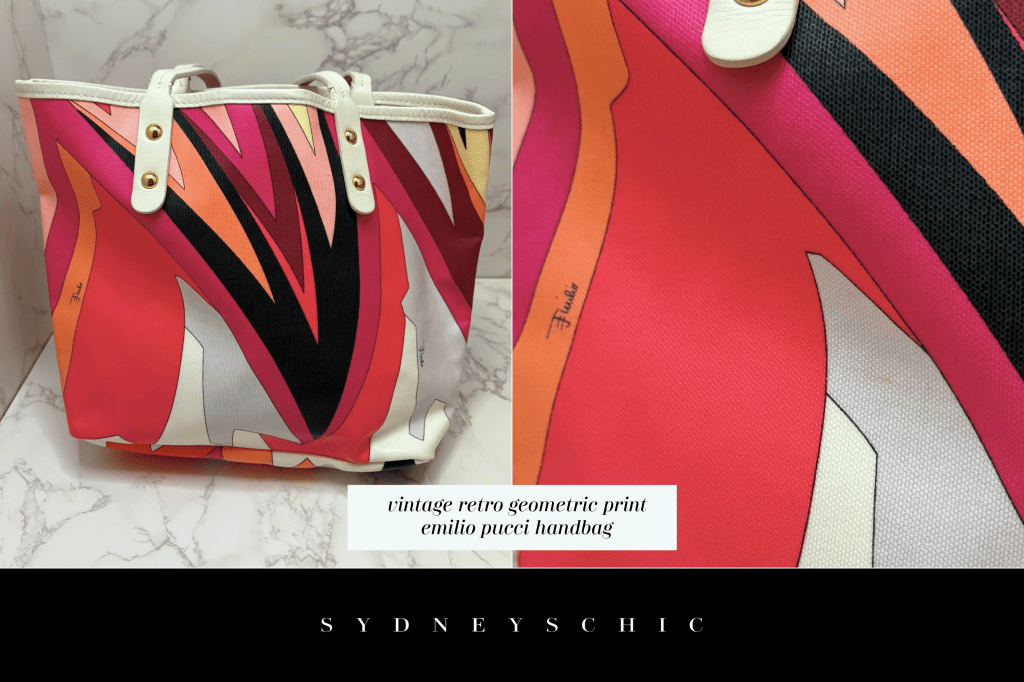
I love Emilio Pucci—I really do—but his handbags do not stand the test of time compared to other brands. Many of them are made of easily stained canvas or painted leather prone to crack which make them tricky to maintain through their ageing despite their beauty. I have spent hours looking through Pucci bags to find ones that I not only like but are also in good condition which is a feat within itself. If I hadn’t done my research and looked around, I might’ve accidentally made an investment without truly knowing the risks of what I was buying. In the future when I get more Pucci bags, I know what I’m getting and the care they’ll need to age gracefully so they don’t lose value. Honestly, if I didn’t personally love him so much as a designer, I wouldn’t invest and he wouldn’t be on the list of vintage designer handbags I recommended to beginner collectors. Always check a vintage brand’s quality before you swipe your credit card.
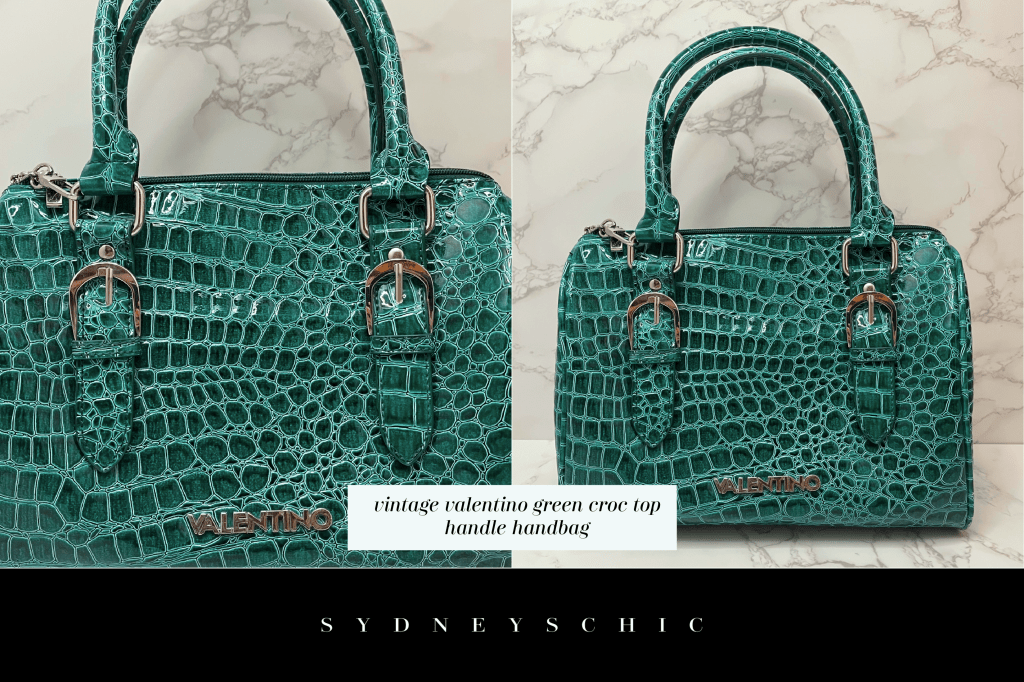
Another reason why research is important is because some designer brands share the same name—we discussed this here in our beginner handbag collector’s post! Mario Valentino is a popular handbag brand but it’s not the same as Valentino Garavani—the more expensive luxury fashion house. Paolo Gucci is a Gucci but his line was separate and independent from Gucci itself and so their handbags are not the same and not price comparable. Versace as we know it is not the same as Versace 1969 founded by Alessandro Versace, not Gianni. I know that it’s confusing but it’s crucial to know the differences so you don’t get catfished into spending more money for a less expensive brand or catfished into thinking you’re getting an amazing deal on something more expensive that’s really less. Unfortunately some sellers will purposefully blur the lines between brands with similar names just to make a sale.
If it helps anyone out there, I admit that Mario Valentino catfished me once. I could’ve sworn I double and triple checked to make sure it was Valentino Garavani but alas, it was not! My soul was crushed but the bag is still haute so I’m not mad and it’s actually become one of my favorites! To be clear, I’m not saying any of these brands are bad or not worth purchasing, I’m saying know who you’re getting—get a handbag from whoever you want as long as you know who the hell they are!
Shop quality materials
It’s a proven fact that there are some materials that age well and others that don’t. If you are looking to buy vintage, this knowledge becomes essential to ensuring that the item you buy still has plenty of life ahead of it and not just behind it. You don’t want to get something you can only wear once or twice before it falls apart. If you need to fix any parts of the bag, it should be something easy that adds to the bag but wouldn’t ruin the bag if it was gone like extra straps or zipper pulls. There are some problems you just can’t replace like issues with the bag itself whether it be structural or otherwise. If the issue is with the bag, it’s harder to correct or find additional pieces you need.
You need to prioritize longer lasting quality like leather. Of all my vintage handbags, leather ones have not only endured the longest but had fewer flaws through multiple owners. True genuine leather bags are made with proven quality that other bags such as canvas or fabric bags just lack—especially structurally. In my personal opinion, canvas bags are the worst because they are thicker than a typical fabric bag and they can almost fool you into thinking they’re more durable than they actually are. Canvas bags stain worse than any of my other handbags because their rough texture holds stain stronger than something smooth like satin which is why I don’t really invest in them.
I do have some fabric bags but you have to be careful of thread pulls and picking the same way you would with fabric clothing. When you factor in the age of the bag and the possibility of fabric wear, it doesn’t even touch leather options which have high resale value. Vintage sequin bags are beautiful and can be just what you need for a fabulous night out—just make sure it’s not missing any sequins! This bag is vintage which means that finding an exact replacement stone would be almost impossible given the age. Even if you did, the natural patina would provide too much contrast against something shiny and new. Again, it depends on what you’re looking for and what you’re comfortable with but I will typically only invest in leather, faux leather, or leather textured bags for the long haul.
Also remember that if you were to ever want to sell or resell your handbags, leather typically commands a better price than alternative materials from an investor’s perspective. There will always be a market for a good solid colored leather bag while many fabric and textured bags are subject to change with the trends. What once was on the cover of Vogue will get buried until it makes it’s return to the runway years later. Always invest in what’s going to serve you the best for the longest.
Textures are your friends
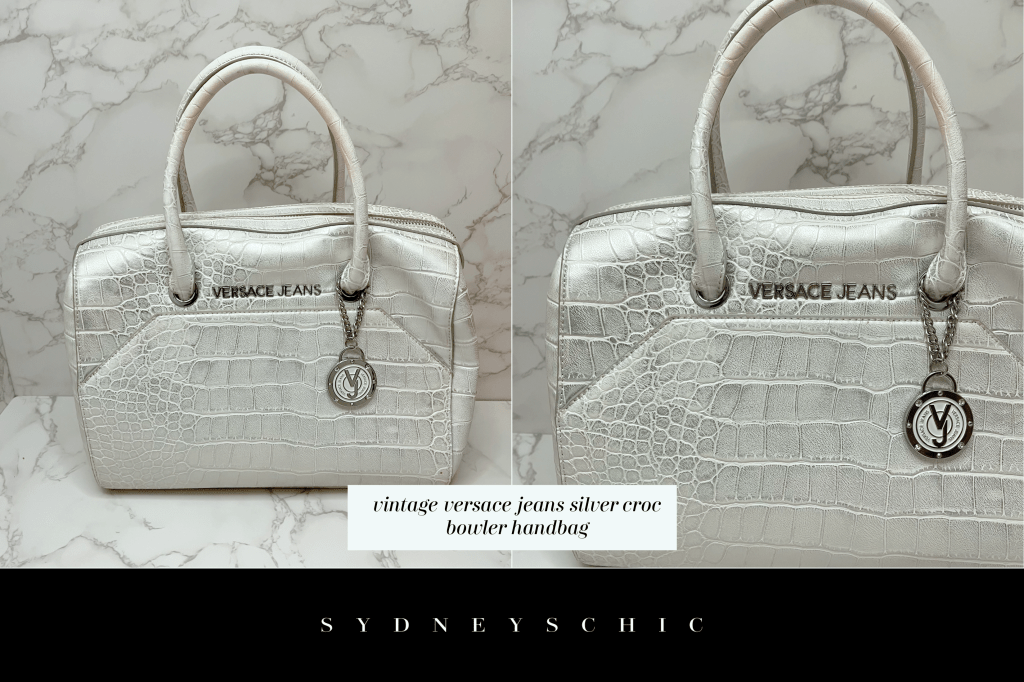
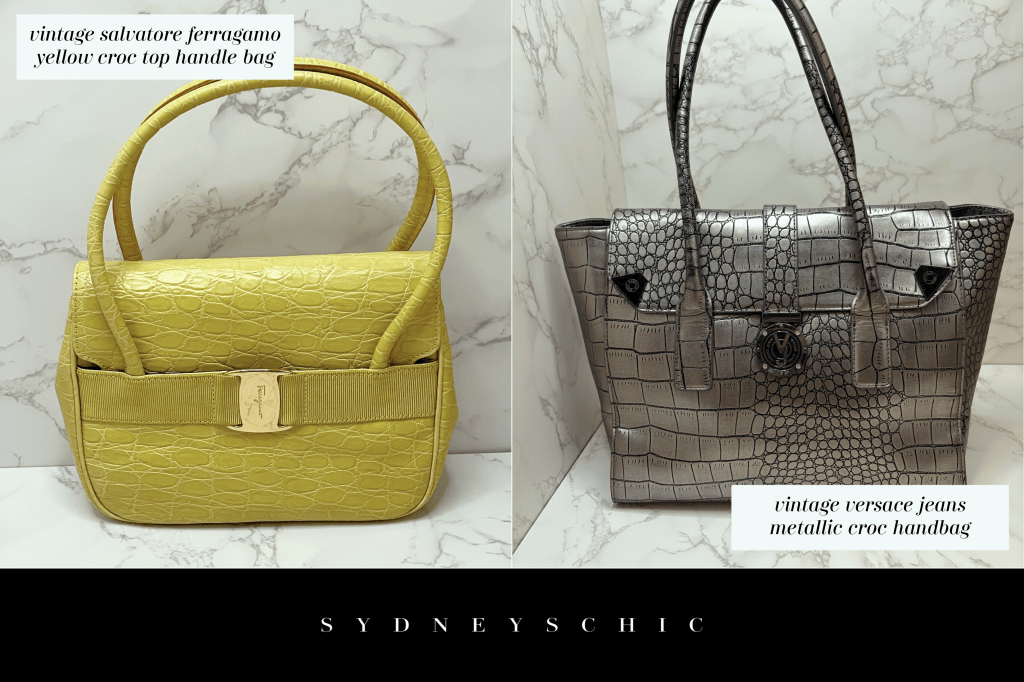
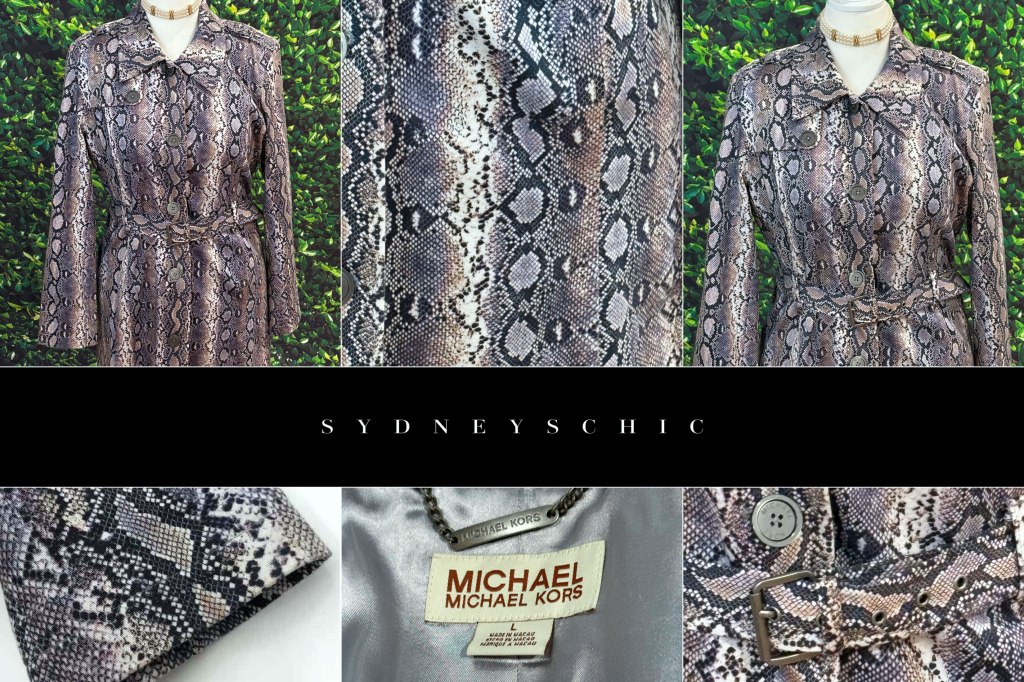
We’ve discussed how leather ages well but another tip that I have for shopping vintage is to search for textured handbags with textured leather such as ostrich, quilted, snakeskin, or crocodile. This excludes faux furs and pony hair which are in a different category and do not belong here due to their difficult maintenance. A lot of people notice that many of my vintage bags are particularly those featuring crocodile or alligator styling. They assume that it’s just a style preference but it’s actually not—it’s a wisely chosen investment choice based on how vintage bags age.
Textured leather bags can actually hide signs of aging better than others because any small marks, scuffs, or blemishes can actually look like they’re part of the bag’s design and not a blemish. The fundamental advantage of textured leather lies in its profound ability to camouflage the inevitable signs of aging and wear far more effectively than smooth hides. Unlike pristine, reflective surfaces—such as smooth leather or buttery lambskin, where every microscopic scuff, fingerprint, or hairline scratch is immediately magnified—textured leather possesses an inherent, uneven geometry that works to absorb damage. The natural peaks, valleys, and deep grain patterns prevent light from catching imperfections uniformly.
Not only can textured bags hide blemishes but they can actually transform small marks, spots, and scuffs into features that appear to be part of the bag’s original design, rather than clear indicators of flaw or deterioration. For example, if a small abrasion occurs on a snakeskin bag, the mark is visually integrated into the ornate variation of the scale pattern and printed color, looking like a nuance of the hide rather than a glaring flaw. Similarly, the intense dimpling of ostrich texture or the sharp, geometric tiling of crocodile ensures that light corner rubbing or faint scratches are visually broken up and easily masked.
Flaws in general are exponentially harder to spot on these types of bags because their complexity—driven by color variation, geometry, and deep surface design—provides continuous visual distraction, thereby maximizing the bag’s perceived pristine condition over time. This is fashion science at it’s finest and probably one of my best shopping secrets for buying vintage bags—you’re welcome!
Invest in repeating trends
When buying vintage, it’s important to keep timeless styles in mind while you shop or you’re at risk for buying something outdated. There is a huge difference between old and outdated when it comes to fashion—they are not the same at all! An item can be old but not outdated while an item can be outdated but doesn’t have to be old, just tone deaf. The desire for archival designer pieces is at an all time high which proves this. Celebrities have started rewearing vintage gowns to awards shows in recent years and models have been showing off their own vintage bags around NYC. These bags are may be from a different decade but they’re just as relevant as anything new sitting in a store.
Just because something is old doesn’t mean it has to look old and often times, a well maintained bag will give up her age just as reluctantly as the woman carrying her. Let’s face it, some trends age well and others don’t. One thing about fashion is that something that’s trended will always reappear on a future runway somewhere but prioritizing bags that are truly ageless will keep you looking fresh no matter what’s featured on the cover of Vogue.
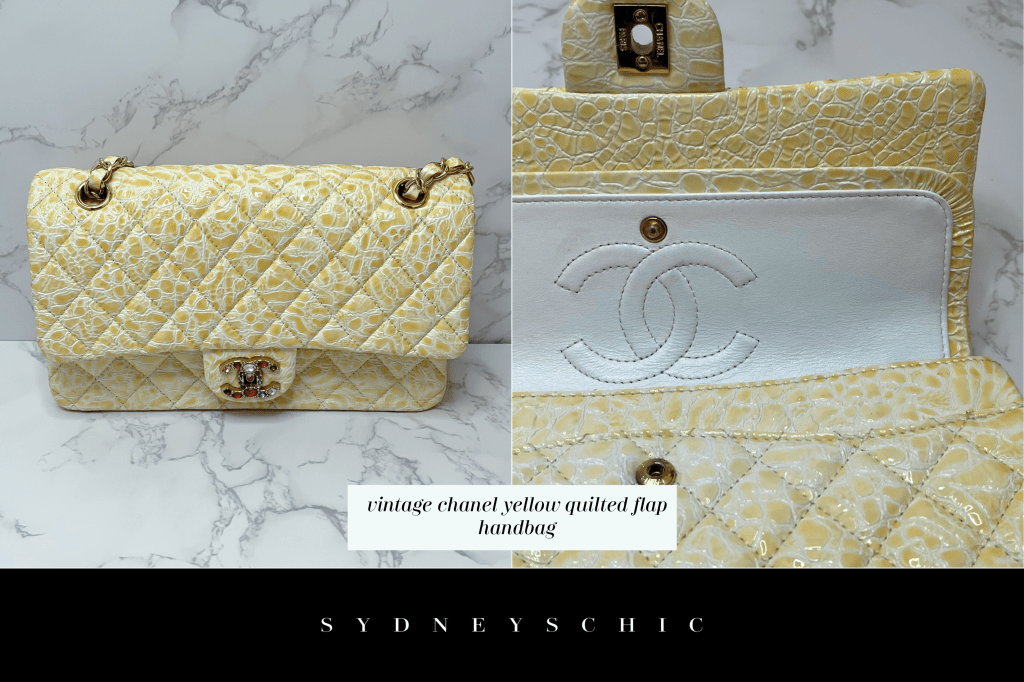
If you’re looking for classic handbag inspiration, you don’t need to look any further than the most popular styles of bag. Since it was first popularized by Chanel in 1955, the quilted flap bag has been one of the top sophisticated, elegant, and timeless handbags. It never has a resurgence because it never goes away! And lucky for us, there are plenty of dupes and other brands that have similar styles both new and vintage! Other classics include totes, bowlers, top handles, and box bags among many others.
Classic bags are always front and center like the Chanel staple because as I said, they never truly go out of style which means that they’re easy to spot if you’re looking. Check the runways, pay attention to what you’re walking by in the store, and make a note of purses you seem to see over and over again season after season. These are the classics of which I speak. Another tell tale is if a handbag looks good throughout all four seasons rather than just one. For example, a rattan bag is fun for summer and you could get away with it for fall but not winter! An adorable little top handle bag can be carried year round without style transgression. This is what I mean by prioritizing the classics from a vintage market. If a trend repeats often, it’s worth your investment.
Last Call
It makes me so happy to see that vintage handbags and preloved fashion are finally getting the attention that they deserve as we move towards a more sustainable industry. Back in the day, it was looked down upon to buy second hand and now it’s not only a huge part of the global economy but it’s an encouraged way to shop.
All of that being said, I have so much fun writing posts like this to share my process. Shopping can be daunting whether you feel that you’re good at it or not and browsing vintage comes with it’s own set of challenges. I hope that this post was a helpful introduction for anyone taking an interest in vintage handbags. Leave some of your own tips below if you feel so inclined to do so and I’ll see you in the next one! Happy national handbag day!

make sure you subscribe & follow to be notified of new content
©sydneyschic ┊image credit: sydneyschic ┊unsponsored post







 Sydney's Chic.
Tell me what you think!