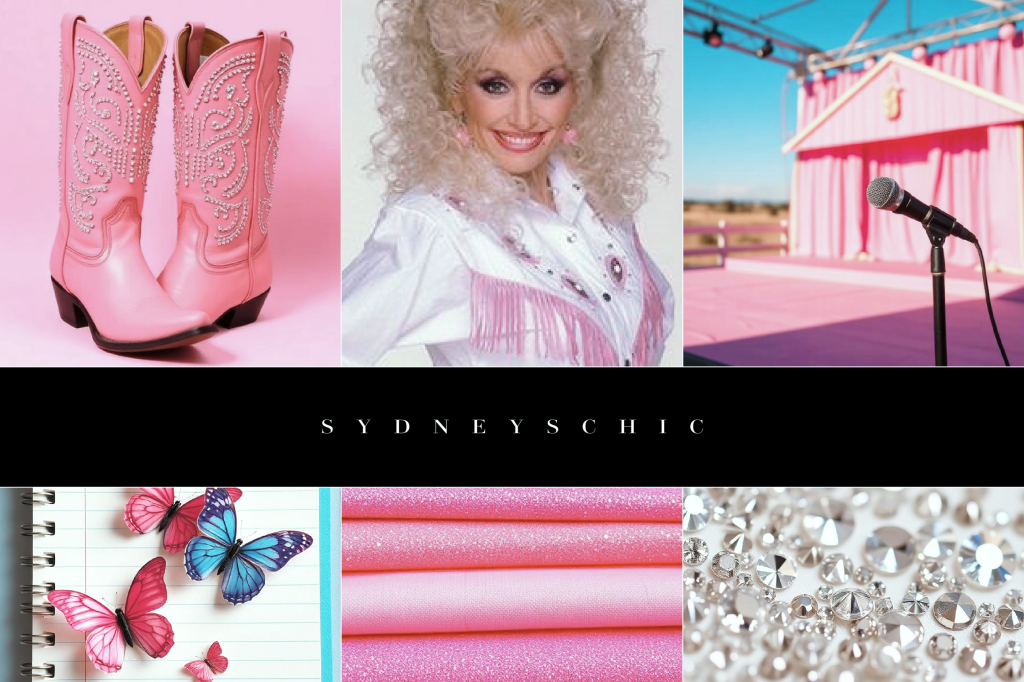

There are fashion icons, and then there is Dolly Parton. The latter category requires considerably more rhinestones and attention. With her sky-high blonde hair, glittering stage costumes, dramatic silhouettes, and unapologetic love of all things fabulously extra, Dolly spent decades proving that fashion does not have to be subtle to become iconic. If she taught us anything, it is that sometimes more really is more—and then you add a little sparkle just in case.
Long before “personal branding” became something people discussed in marketing meetings, Dolly had already created one of the most recognizable images in popular culture. The big hair, tiny waist, dramatic makeup, and impossibly glamorous wardrobe—it would be easy to mistake it all for costume. But that was always part of the magic. Dolly’s look was never simply about following fashion’s rules. She built an entire aesthetic around ignoring the ones that did not suit her.
Inspired by the glamorous women she admired growing up—and famously by the local painted lady whose dramatic makeup and clothing captivated a young Dolly—she transformed elements that others might have dismissed as tacky, excessive, or unsophisticated into a signature that endured for decades. Rhinestones became practically a personality trait, blonde hair reached architectural heights, and femininity was never something she attempted to tone down to make other people more comfortable.
Perhaps that is what makes Dolly’s influence on fashion so fascinating. Beneath the glitter and wigs was a woman who understood the power of creating your own image and refusing to let anyone else decide what beauty, glamour, or sophistication was supposed to look like. In an industry that has spent decades telling women which trends are in, which ones are out, and exactly how much is supposedly too much, Dolly seemed to spend her career cheerfully responding, I’ll decide that, thank you. That mentality not only opened doors for her but future generations.
In honor of her remarkable life and legacy, it only felt right to take a closer look at the woman behind the rhinestones. From her humble beginnings in the Smoky Mountains to the carefully constructed image that made her one of the most recognizable women on earth, this week’s post is dedicated to Dolly. So kick Jolene out of her chair and take a seat. We’ve got a lot of ground to cover!
Smoky Mountains to Stardom
Before she became the rhinestone covered, larger than life Dolly Parton the world knows today, she was a little girl growing up in the Great Smoky Mountains of Tennessee. While her future wardrobe would eventually involve enough sequins to cause a minor traffic hazard under stage lighting, her beginnings were remarkably humble—something she never forgot, no matter how brightly her star began to shine.
Born on January 19, 1946, in Locust Ridge, Tennessee, Dolly was the fourth of twelve children. She grew up in a small mountain cabin surrounded by music, storytelling, faith, and the particular kind of resilience that tends to become part of a person’s character when life gives them very little choice in the matter. Her family did not have much materially, but music was everywhere. Dolly began singing, performing, and writing songs while she was still a child, and by the time she graduated from high school in 1964, she had already decided what came next: Nashville.
Rather than staying home and wondering what might have happened, she moved to Music City to pursue a career of her own. Nashville soon discovered that Dolly’s talents extended far beyond standing in front of a microphone and looking fabulous. She established herself as a gifted songwriter before fully breaking through as a performer, eventually joining The Porter Wagoner Show in 1967. The partnership introduced her to a national audience, but Dolly was never destined to remain simply someone’s singing partner. She had enough star power to go solo and she knew it!
Throughout the late 1960s and 1970s, she steadily built a career that was entirely her own. She released hit after hit, wrote songs that would become classics, and developed the unmistakable persona that made her impossible to confuse with anyone else. Jolene, Coat of Many Colors, and I Will Always Love You demonstrated something that could occasionally get overshadowed by all the wigs and rhinestones: Dolly Parton was an extraordinarily serious artist.
She was also a woman with an unusually clear sense of where she wanted her career to go. At a time when the music industry—and particularly country music—remained heavily dominated by men, Dolly proved herself to be not only a performer but a songwriter and businesswoman determined to maintain control over her work. Eventually, she moved beyond the country world that had made her famous, finding success in pop music, television, and Hollywood while somehow remaining unmistakably, unapologetically Dolly.
Her role in 9 to 5 introduced her to an even wider audience, while the film’s title song became another example of her remarkable ability to create something irresistibly catchy while still having something meaningful to say. She went on to appear in films including Steel Magnolias, continued releasing music across multiple decades, and became one of those increasingly rare entertainers whose career seemed to belong to several generations at once.
Of course, Dolly’s story extends far beyond music and movies. In 1988, she established the Dollywood Foundation to support children and education in her home community. A few years later came Dolly Parton’s Imagination Library, inspired in part by her father’s inability to read and write. What began as an effort to put books into the hands of children in Sevier County eventually grew into an international program.
And then, naturally, there was Dollywood. Because apparently becoming a legendary singer, songwriter, actress, entrepreneur, author, and philanthropist was simply not quite enough for one woman. Her East Tennessee theme park became another expression of the world Dolly had spent her life creating: a little glamorous, a little nostalgic, deeply connected to her Appalachian roots, and entirely uninterested in pretending that sincerity and spectacle cannot coexist.
That may be the thread running through Dolly’s entire biography. The little girl from the Tennessee mountains never truly abandoned where she came from. She simply took those mountains with her—to Nashville, to Hollywood, onto stages around the world, and eventually back home again. Dolly transformed herself from a girl born into poverty into an international icon, but she did not do it by attempting to erase the parts of herself that seemed too country, too feminine, too flashy, or too much. Instead, she took every one of those things and turned them into strengths, which might just be the most Dolly Parton thing imaginable.
All Dolled Up
If Dolly’s career is a masterclass in determination, her image is a masterclass in understanding exactly who you are—and then unapologetically turning the volume all the way up. Why should her clothes be any quieter than her music? She had songs she wanted heard and outfits she wanted to be seen.
For decades, she has been instantly recognizable. The towering blonde hair, dramatic makeup, rhinestones, impossibly fitted dresses, tiny waists, sparkling fringe, feathers, sequins, and enough glamour to make understatement feel personally offended have all become part of the larger Dolly mythology.
Yet what makes Dolly’s style so fascinating is that it was never simply about dressing extravagantly for the sake of it. Her image was built around a very specific idea of glamour, one that drew inspiration from the women she admired while growing up and transformed traditionally “tacky” or excessive elements into something entirely her own. There is a wonderfully defiant quality to that.
Dolly did not take the conventional route of trying to make herself look understated, sophisticated, or fashionably effortless. “Effortless,” frankly, has never seemed particularly interested in being invited to the Dolly Parton party. Instead, she embraced artifice. The wigs were wigs, the eyelashes were dramatic, the makeup was unmistakably makeup, and the rhinestones sparkled because they were supposed to sparkle. Rather than diminishing her femininity to be taken seriously, she made exaggerated femininity part of her power.
Perhaps the most important thing about Dolly’s image is that it was always intentional. The formula remained remarkably consistent throughout the decades: an emphasized hourglass silhouette, a sharply defined waist, bold color or texture, elaborate embellishment, and heels high enough to require their own zip code. Her costumes might have looked wonderfully extravagant at first glance, but there was a surprising amount of precision underneath all that glitter.
The silhouette, in particular, was essential. Dolly’s wardrobe celebrated curves rather than disguising them, relying on fitted dresses, jumpsuits, corseted or cinched waists, and elongated lines. This was not fashion as camouflage. It was fashion with a spotlight, a microphone, and possibly a wind machine.
Her famous blonde hair became another essential part of the Dolly mythology. The towering styles and dramatic volume were so central to her appearance that the hair itself practically became a supporting character. After years of bleaching, teasing, and styling her natural hair, wigs became both a practical solution and a permanent part of her image, which is frankly an excellent example of Dolly’s particular genius: make something practical, make it glamorous, and then make it iconic.
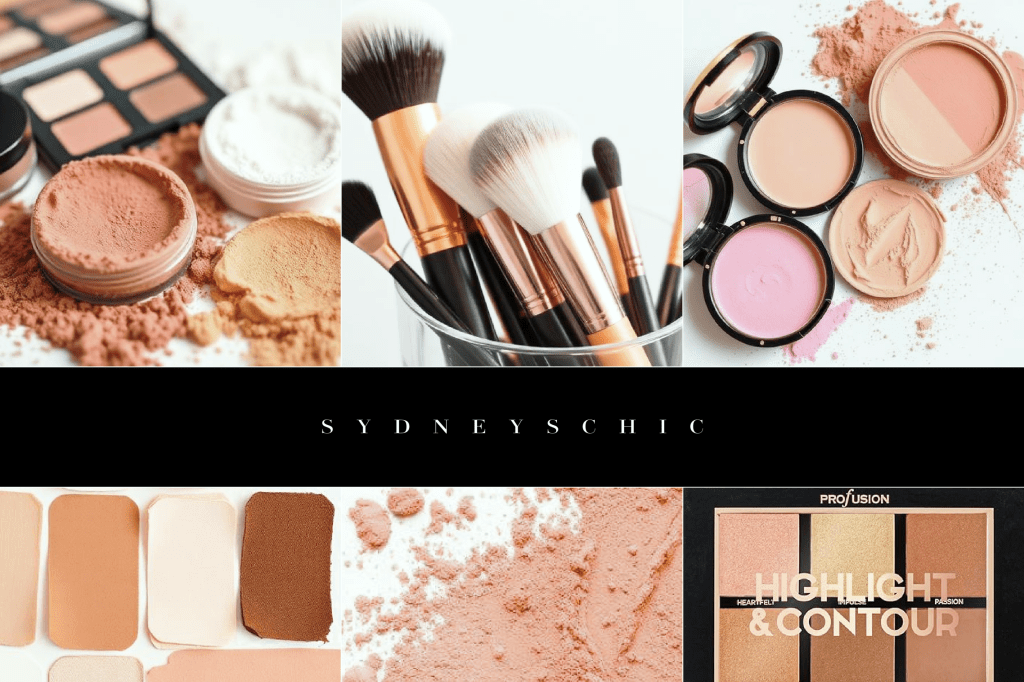
The makeup followed the same philosophy. Defined eyes, dramatic lashes, bold lips, shimmer, contour, and plenty of polish became part of a beauty look that remained recognizably hers even as trends came and went. Dolly never seemed particularly interested in dressing according to whatever happened to be fashionable at the moment. Trends, quite frankly, had to come to her.
Her aesthetic evolved over the decades, of course. The country costumes of the 1960s and 1970s eventually gave way to increasingly glamorous stagewear, Hollywood gowns, glittering jumpsuits, and elaborate custom ensembles. But the essential formula remained intact: blonde hair, dramatic femininity, an hourglass silhouette, towering heels, and enough sparkle to ensure she could probably be seen from space.
What is particularly interesting, though, is that Dolly’s image always existed somewhere between performance and authenticity. She famously joked about looking “cheap,” poked fun at her exaggerated appearance, and never seemed especially interested in pretending that her glamour happened accidentally. But the artifice was never a disguise. In many ways, it was the opposite. By deliberately creating such an exaggerated version of herself, Dolly expressed something very genuine about who she was: playful, feminine, ambitious, theatrical, funny, and entirely uninterested in shrinking herself to fit someone else’s idea of sophistication.
Dolly Parton made “too much” into an aesthetic philosophy, and in doing so, she achieved something surprisingly difficult in fashion: a look that belonged completely to one person. You can wear rhinestones, buy a blonde wig, put on a pair of towering heels, and add enough sequins to frighten the average magpie, but somehow, it still will not quite be Dolly. The rhinestones were never really the whole story; they just happened to sparkle the loudest.
Dazzling Designers
Of course, no fashion icon creates an entire visual universe completely alone. Behind many of Dolly’s most memorable looks were designers, costume makers, and creative collaborators who understood something absolutely essential: when you are dressing Dolly Parton, subtlety is not the assignment.
Her wardrobe passed through several eras, from the handmade and heavily embellished costumes of her early country career to elaborate stagewear, Hollywood glamour, and jewel-covered creations that eventually became part of the Dolly mythology. But throughout those changes, the best collaborators understood that they were not dressing a blank canvas. They were dressing a woman with one of the clearest visual identities in entertainment history.
Steve Summers: The Doll Maker
Perhaps no one has been more closely connected to Dolly’s modern image than Steve Summers, her longtime creative director and stylist. Summers began his career in Dolly’s world as a performer at Dollywood before eventually moving into set and wardrobe design. Over time, his role expanded dramatically, and he became one of the central creative forces responsible for translating Dolly’s already-iconic aesthetic into new eras, appearances, performances, and public events—a task made slightly more complicated by the fact that his client had spent decades being recognizable from approximately three miles away.
Summers developed an almost scientific understanding of what made a garment feel appropriately Dolly: a defined waist, an hourglass silhouette, dramatic heels, custom embellishment, and plenty of texture or shine. But there was more restraint in the construction than one might initially expect. The goal was never simply to pile everything on at once. Dolly may have been a maximalist, but maximalism still requires editing, and somewhere beneath every rhinestone explosion, there was structure.
Her wardrobe was largely customized, with outfits designed specifically around her proportions and needs. Even pieces that began as ready-to-wear could receive the full Dolly treatment before they were ready for the public. In other words, there was rarely such a thing as simply throwing something on. There may have been a quick change, but there was almost certainly a rhinestone involved.
Bob Mackie and a Touch of Hollywood Fantasy
Then there is Bob Mackie, the legendary costume designer whose name is practically synonymous with show business glamour. Mackie dressed some of the most spectacular women in entertainment, and his talent for drama, theatricality, and glorious excess made him a rather natural fit for Dolly’s world.
During her move into crossover and Hollywood stardom, Dolly wore Mackie’s creations, bringing another layer of theatrical fantasy into her already unmistakable image. One of the most memorable examples was the elaborate butterfly costume designed for the 1979 television special Dolly & Carol in Nashville. With dramatic embellishment and wing-like sleeves, it transformed Dolly into something between a country music superstar and a glamorous creature who had wandered out of a particularly fabulous fantasy film—which, to be clear, feels very on-brand.
The collaboration represented an interesting moment in her fashion evolution. By this point, Dolly was no longer simply the country singer from Tennessee with the big blonde hair and rhinestone wardrobe. She was becoming a mainstream entertainment figure, moving into television, film, and eventually Hollywood itself. Mackie’s designs added another layer of glamour without erasing what made her recognizably Dolly in the first place. Even when dressed by Bob Mackie, Dolly Parton did not suddenly become Cher; she became Dolly Parton in Bob Mackie, and there is a difference.
Manuel Cuevas and the Art of Country Couture
Dolly’s fashion story would also be incomplete without acknowledging Nashville’s great tradition of Western and country costume design. Manuel Cuevas, the legendary tailor and designer known for creating elaborate, heavily embellished garments for generations of musicians, was part of that larger visual tradition.
Cuevas transformed traditional Western wear into something considerably more theatrical. Embroidery became elaborate artwork, and a cowboy suit could become a canvas for butterflies, flowers, rhinestones, and intricate decorative details. The result was clothing that honored country music’s roots while remaining dramatic enough to hold its own beneath a stage spotlight.
That balance—between Dolly’s Appalachian heritage and her love of unapologetic glamour—was essential to her image. Even as her wardrobe evolved, she never completely abandoned the visual language of country music. She simply took it, added more sparkle, raised the heels, and occasionally sent it to Hollywood.
What becomes clear when looking at the people who dressed Dolly throughout her career is that the most successful collaborations did not attempt to change her. The people who understood her best worked with the Dolly Parton image rather than against it. Fashion has a long history of trying to “refine” women who are considered too loud, too feminine, too flashy, or—heaven forbid—too fond of rhinestones. Dolly encountered pressure early in her career to tone down her appearance, but fortunately for the rest of us, she declined.
There were different designers, decades, musical eras, films, tours, television appearances, and award shows, but there was always one constant: somewhere beneath the feathers, fringe, crystals, custom stilettos, and elaborate embellishment, the outfit still had to look like Dolly. And if it did not, well, it probably needed more rhinestones.
All That Glitters
An iconic personal style is rarely built around a single outfit. Trends come and go, designers change, and even the most devoted fashion lover eventually has to admit that the wardrobe from 1987 may not be suitable for every occasion. What made Dolly’s style so recognizable was the collection of details she returned to again and again throughout the decades: pearls, fringe, sequins, butterflies, rhinestones, and high heels. Together, they became part of the larger Dolly vocabulary.
Pearls: A Little Southern Glamour
Pearls appeared throughout Dolly’s wardrobe in necklaces, earrings, embellishment, and occasionally in quantities that suggested the nearest oyster population had been placed on emergency alert. Unlike the restrained strand traditionally associated with quiet elegance, Dolly often used pearls on a much grander scale. Her costumes incorporated pearl beading, pearl fringe, and elaborate embellishment, transforming what might otherwise have been a classic accessory into something altogether more theatrical.
This was very much the Dolly approach in miniature: take something classic, take something traditionally feminine, and then absolutely refuse to leave it alone.
Fringe: Because Clothing Should Move
Fringe has long been another recurring character in Dolly’s wardrobe, and for good reason: it moves. For a performer, movement is everything. A fringe-covered skirt, sleeve, or jumpsuit comes alive beneath stage lights, swaying and shimmering as she walks, performs, or simply raises an arm dramatically—which, when you are Dolly Parton, is practically an art form in itself.
Her use of fringe also connected her wardrobe to Western and country fashion. But naturally, Dolly rarely stopped at ordinary cowboy fringe. Metallic fringe, beaded fringe, crystal fringe, and elaborate layers transformed a traditional country detail into something closer to Las Vegas by way of the Smoky Mountains, which may be the most accurate geographical description of her wardrobe imaginable.
Sequins, Crystals, and the General Refusal to Go Unnoticed
Then, of course, there is the sparkle. Trying to discuss Dolly Parton’s style without mentioning sequins, crystals, and rhinestones would be a little like discussing Versailles while skipping the palace. These embellishments were not occasional accessories; they were structural pillars.
From rhinestone-studded country costumes and sequined jumpsuits to glittering gowns and crystal-covered stagewear, Dolly understood that clothing could become part of the performance itself. Her outfits were designed to catch the light, photograph beautifully, and remain visible from the back of an arena.
While there is a temptation to describe all of this simply as excess, there was a method to the madness. The sparkle emphasized movement, highlighted the shape of a garment, and helped create the larger-than-life presence essential to her work as an entertainer. Dolly did not dress merely to enter a room; she dressed to make sure the room knew she had arrived.
Butterflies: The Most Personal of Her Fashion Symbols
Among all the glittering details associated with Dolly, butterflies may be one of the most personal. The butterfly appeared repeatedly throughout her visual world and became closely associated with beauty, transformation, and freedom. It appeared in costumes and imagery throughout her career, including the famous Bob Mackie butterfly costume created for Dolly & Carol in Nashville.
There is something rather fitting about the butterfly becoming part of Dolly’s visual identity. Her entire career involved transformation—not abandoning who she was, but continually evolving while remaining unmistakably herself. The little girl from the Smoky Mountains became a country star, a crossover sensation, a Hollywood actress, a businesswoman, a philanthropist, and eventually a global cultural icon. The symbolism of wings seems rather appropriate.
Pink, Feathers, and the Art of Being Extra
Dolly also returned repeatedly to shades of pink, from soft blush and feminine rose to the kind of electric hot pink that does not politely enter a room so much as announce itself from the doorway. Feathers made frequent appearances as well, bringing texture, movement, and a touch of old Hollywood glamour to gowns and stage costumes.
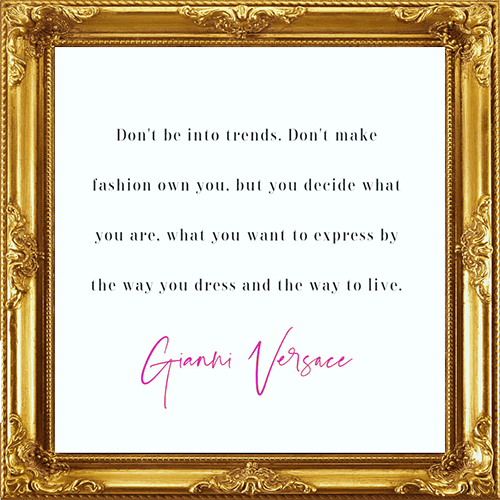
Her wardrobe also embraced bows, lace, embroidery, metallic fabrics, dramatic sleeves, plunging necklines, and ornate accessories. Individually, none of these details belonged exclusively to Dolly. But when combined through her particular lens, they became unmistakable. That is the difference between wearing a trend and creating a signature.
Fashion is often obsessed with reinvention. Every season arrives with a new list of things we are apparently supposed to love, followed shortly afterward by another list explaining why the previous one was embarrassing. Dolly, meanwhile, found what worked for her and spent decades perfecting it. The big hair, tiny waist, heels, pearls, fringe, butterflies, and rhinestones gradually became part of an identity so consistent that it transcended individual trends. The question was never really, What is Dolly wearing this season? The better question was always, How are we making it Dolly this time?
Glamour, Pain, and the Importance of Being Comfortable
For all the rhinestones, towering heels, and theatrical glamour, there is another side to Dolly’s fashion story that is considerably less sparkly. Sometimes, the body gets a vote.
Dolly’s public image was built around a very particular silhouette: the tiny waist, fitted bodices, dramatic curves, and figure-hugging costumes that looked as though they might require a small engineering team to put on correctly. But behind that glamorous exterior, she also faced significant health struggles throughout her life, including endometriosis and the complications that eventually led to a partial hysterectomy.
That makes her relationship with clothing particularly interesting. Dolly’s wardrobe can exist almost entirely in the realm of fantasy visually, but costumes still have to be worn by an actual human being. Even the most spectacular rhinestone gown is considerably less fabulous if you cannot breathe, sit down, move, or survive an entire performance in it.
For Dolly, comfort did not necessarily mean abandoning glamour. In fact, one of the most interesting aspects of her approach was her refusal to accept the idea that comfortable and beautiful had to be opposites.
When the Body Changes the Wardrobe
We have discussed Endometriosis here for Endo Awareness Month before as I also suffer from this condition and know first hand the kind of strain long term chronic pain can not only put on your body but your sense of style. Things you were once excited to wear suddenly feel impossible to put on. It’s an unfortunate truth that this disease bonds Dolly and I together like countless other women who struggle to face it.
Endometriosis can affect far more than what is visible from the outside. Pain, fatigue, abdominal symptoms, and the physical effects of illness or treatment can all influence something as seemingly simple as getting dressed. That distinction matters when looking at Dolly’s famously precise image. Her wardrobe may have emphasized an impossibly tiny waist, but maintaining a public silhouette while living in a body that had experienced illness, surgery, and changing physical needs was undoubtedly more complicated than the finished photograph suggested.
And this is where fashion becomes less about vanity and more about negotiation. How do you maintain a recognizable image when your body is not necessarily cooperating? How do you preserve the parts of fashion that make you feel like yourself without allowing the clothes themselves to become another source of discomfort?
For Dolly, the answer often seems to have been customization. Her wardrobe was largely designed around her petite, curvy proportions and practical needs, including custom footwear created to support her famous love of sky-high heels. So yes, the shoes were still spectacularly high. This was Dolly, after all, but they were not simply grabbed from the nearest department store and paired with a prayer.
The Practical Side of the Rhinestones
This attention to comfort and function extended beyond footwear. Beneath the crystals, fringe, feathers, and sequins, Dolly’s wardrobe had to allow her to actually work. She had to sing, walk, perform, play instruments, greet people, sit for interviews, and occasionally survive an entire evening under enough lighting to make the average person question every life decision that had led them to the stage.
A beautiful garment that restricted movement too severely simply would not do. That practical consideration became especially apparent in some of her later performance looks, which retained all the drama of her earlier wardrobe while incorporating trousers and jumpsuit silhouettes that allowed greater freedom of movement. It was glamour with a job description.
Perhaps that is the detail that can get lost when we look only at the finished image. Dolly’s fashion was theatrical, but it was not careless. The embellishment was meticulously placed, the silhouettes were carefully considered, and the shoes were custom-built. An outfit could be extravagant while still being designed around the needs of the person inside it, which might be one of the great lessons hidden beneath all the sparkle.
The Scars Beneath the Sequins
Dolly also found ways to incorporate her body’s history into her image rather than pretending it did not exist. She has spoken about having small, delicate tattoos, including butterflies, bows, and ribbons, some of which were used to help cover surgical scars.
The tattoos were subtle and personal rather than a dramatic departure from her famously feminine aesthetic. In fact, the imagery she chose fit so naturally into her existing visual world that even this deeply personal form of self-expression became part of the larger Dolly vocabulary.
There is something rather poignant about that. Dolly built a career around decorating the exterior: rhinestones over fabric, sequins beneath stage lights, pearls around her neck, and blonde wigs arranged to spectacular heights. Yet in a quieter way, she also used decoration to reclaim parts of her body marked by surgery. Not everything beautiful has to exist because nothing painful ever happened. Sometimes the beauty is there because something painful happened—and because a person decided that the story did not end with the scar.
Dolly’s Version of Comfort
Of course, Dolly’s definition of comfort was always going to be slightly more glamorous than the average person’s. She preferred high heels, her footwear was customized, and her wigs offered a practical solution after years of bleaching and styling her natural hair. Convenience, in Dolly’s world, simply happened to come with considerably more volume.
That may be the key to understanding how health, comfort, and style intersected throughout her life. Dolly did not necessarily respond to physical limitations by abandoning the image she loved. Instead, she adapted it. The heels were made for her, the costumes were made for her, the wigs made life easier, and the silhouettes were chosen to flatter her body rather than forcing her body to conform to whatever happened to be fashionable at the time.
Perhaps that is a much more useful definition of personal style than simply wearing whatever looks good on a hanger. Dolly’s wardrobe worked because it was built around Dolly—not an abstract idea of what a fashionable woman should look like, not the trend of the season, and not the opinion of someone who thought she needed to tone it down.
Because feeling comfortable in your own skin does not necessarily mean dressing down. Sometimes it means putting on a custom-made rhinestone jumpsuit, stepping into a pair of carefully engineered skyscraper heels, and sparkling so brightly that everyone forgets there was ever another option.
Forever in Rhinestones
By this point, it is fairly safe to say that Dolly Parton is no longer simply a country music star who happened to dress well. She is an aesthetic.
The blonde hair, rhinestones, tiny waist, high heels, butterflies, fringe, and unapologetic femininity have become so deeply embedded in popular culture that Dolly can be referenced without ever actually appearing on screen. A silhouette, a cloud of platinum hair, or a sufficiently enthusiastic application of sequins is often enough for everyone to understand the assignment.
That is the extraordinary thing about a truly iconic personal style. Eventually, it stops belonging exclusively to the person wearing it and becomes part of the larger cultural vocabulary. And Dolly’s vocabulary is, naturally, extremely sparkly.
Her influence can be seen across fashion, music, film, drag, costume design, celebrity culture, and even the modern obsession with creating a recognizable personal image. Long before celebrities were carefully constructing visual identities for social media, Dolly had already mastered the art of being immediately recognizable.
She understood that the way she presented herself was part of the performance, but she also understood that the performance had to feel like an authentic extension of who she was. That balance is much more difficult to achieve than it looks. Plenty of celebrities have signature styles, but very few manage to create an image that survives changing trends, multiple generations, and the occasional period in history when we collectively decided that low-rise jeans were a good idea.
The Power of Being Completely Unapologetic
Perhaps one of the reasons Dolly’s style feels especially relevant is that fashion has once again rediscovered the joy of being a little ridiculous. Minimalism periodically attempts to convince us that sophistication requires neutral colors, clean lines, and owning approximately three beige sweaters. Dolly spent decades providing a rather convincing counterargument.
Why wear beige when you could wear pink? Why choose one crystal when you could use several thousand? Why have sleeves when those sleeves could also be covered in fringe and dramatically move every time you lift your arm?
Dolly’s approach celebrated exaggeration, artifice, glamour, humor, and theatricality. She understood that fashion could be serious and fun. Creating a beautiful image did not require looking solemn while doing it.
Perhaps that is one of her greatest contributions to popular culture. Dolly made femininity feel powerful without insisting that it had to be restrained. She made glamour intelligent without making it joyless. And she proved that a woman could wear enormous hair, false eyelashes, towering heels, and enough rhinestones to interfere with satellite communication while simultaneously being one of the most respected songwriters and businesswomen in entertainment. The two things were never mutually exclusive.
Everyone Wants a Little Bit of Dolly
Her influence can be found everywhere, particularly among performers who understand the power of exaggerating a visual identity until it becomes unforgettable.
There is something wonderfully democratic about Dolly’s aesthetic, too. Her look did not depend upon the approval of fashion’s traditional gatekeepers. It was rooted in self-invention.
The young Dolly was inspired by glamorous women and images that others might have dismissed as “cheap” or excessive. Rather than allowing those judgments to discourage her, she built an entire identity from the things she genuinely loved. Over time, the supposedly too much elements became the very things people remembered.
That lesson has aged remarkably well. In a culture that often encourages women to edit themselves—be polished, but not vain; feminine, but not too feminine; ambitious, but not intimidating; fashionable, but not as though you are trying too hard—Dolly’s entire existence became something of a glitter-covered rebuttal. She tried very hard, actually, and it worked.
More Than a Look
Of course, Dolly’s enduring influence has very little to do with rhinestones alone. A costume can be copied, a hairstyle can be recreated, and someone can purchase a pair of sky-high heels and immediately discover why custom footwear is probably a better idea.
But the deeper reason Dolly’s image has lasted is because there was always substance beneath the surface. The blonde hair and exaggerated silhouette became part of the public image, but behind them was a woman who wrote her own songs, fought for control over her career, built successful businesses, supported her home community, and used her success to create opportunities for others.
The glamour made people look, the talent gave them a reason to stay, and the authenticity made them care. That combination transformed Dolly from a celebrity into something much larger. There is no generic version of Dolly Parton; there is just Dolly.
The Secret to Becoming an Icon
Perhaps the greatest irony of Dolly’s influence is that fashion has spent decades attempting to teach people how to become iconic, while her entire career offers a much simpler answer: know what you love, wear it anyway, and repeat until everyone else catches up.
She did not remain relevant by constantly abandoning herself and reinventing her image according to whatever was fashionable at the moment. Instead, she refined the same essential ingredients over decades. The silhouettes changed, the costumes became more elaborate, Hollywood entered the picture, and new designers and collaborators brought fresh ideas, but the woman beneath the blonde wigs and rhinestones remained recognizable.
That consistency gave her image longevity, and perhaps more importantly, it gave her ownership. When we look at Dolly Parton’s wardrobe today, we are not simply looking at a collection of beautiful clothes. We are looking at decades of decisions—about femininity, ambition, image, performance, comfort, confidence, and the wonderfully radical act of refusing to become less interesting simply because someone else thinks you should.
The pearls were never just pearls, the butterflies were never just butterflies, and the rhinestones were never just rhinestones. Together, they became part of a visual language built by a woman who understood exactly who she was and saw absolutely no reason to make herself smaller. That may be why Dolly Parton’s influence on fashion and pop culture has endured for so long. Trends will continue to change, designers will come and go, and minimalism will probably attempt another comeback at some point. Somewhere, a stylist is undoubtedly holding up a beige blazer and calling it timeless.
But Dolly will still be Dolly—blonde, sparkling, perfectly coiffed, and probably wearing heels that would terrify the average orthopedic surgeon. Entirely, gloriously, and unapologetically too much, which, as it turns out, was exactly enough. Because Dolly Parton did not become a fashion icon by trying to look like everyone else. She became a fashion icon by becoming more and more like herself until the rest of the world had no choice but to recognize her. And honestly, I think we could all use a few more rhinestones.
There’s a lot more we could continue to unpack about Dolly’s style but I feel like this was a pretty good start. I plan to do an upcoming review of her fragrance line because I’ve always wanted to give them a try but hadn’t gotten around to it as I’m not usually a fan of celebrity perfumes. However, I’ve already looked at the notes and was pleasantly surprised to find some rare and underused ingredients which only made Dolly that much more of a queen in my eyes. I’m genuinely super curious about how she was able to combine all of these so stay tuned for that!
While the world mourns the loss of such an icon, I remain thankful we were all given the joy of experiencing her. My grandfather grew up in Appalachia and loved Dolly’s music for most of his life not just because of her talent but because of what she represented. She was the first musician we loved listening to together and I’ll never forget how loud he’d crank up his country music first thing in the morning. She wasn’t just a musician, she was a generational bridge and her songs got me through one of the darkest periods of my life when I had to say goodbye to that grandfather I loved so well. Somehow her music helped me find gratitude even in my grief. It’s a similar grief I feel now knowing that Dolly herself is gone though I am once again struck with the same gratitude.
Dolly, your music, your kindness, your generosity, and your style will live on long after you pass into legend. Butterflies will always remind those of us who considered ourselves your fans of your warmth. The people you touched throughout your life with ongoing philanthropy will remember that little girl from Appalachia who wanted to be a star and followed her dreams. We will always love you.

make sure you subscribe & follow to be notified of new content
©sydneyschic ┊image credit: sydneyschic ┊unsponsored post





 Sydney's Chic.
Tell me what you think!